Logo

Arctic Norway Ski Lodge

Trip Image

Duration

8 days

calendar

Months

Mar, Apr

level

Trip level

2/5

Seiland House

Ski Touring in Northern Norway

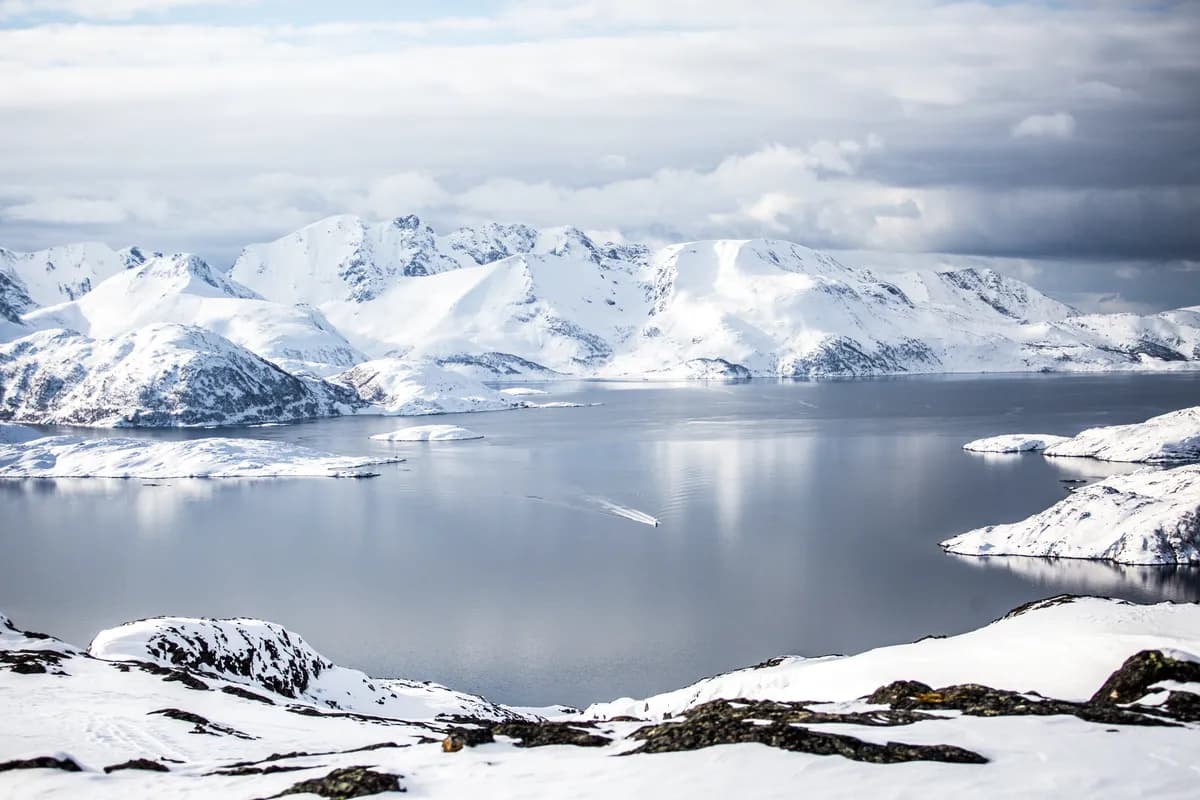
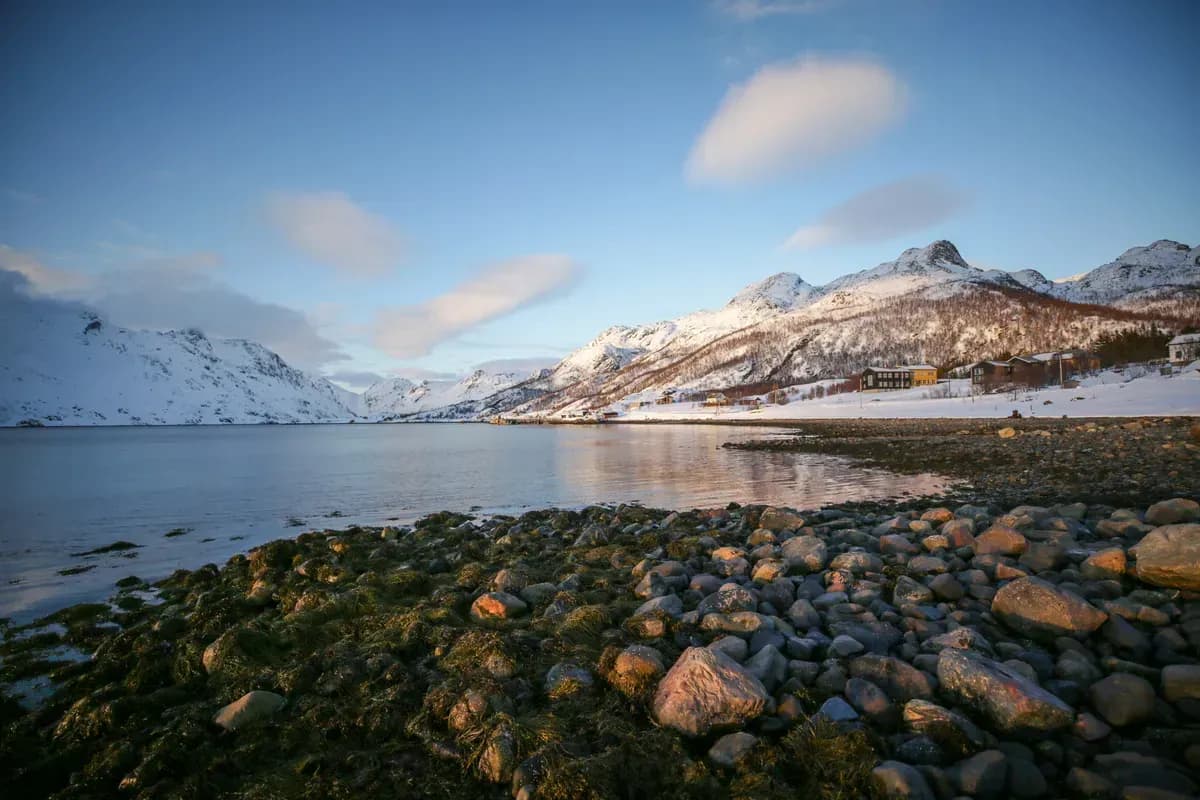
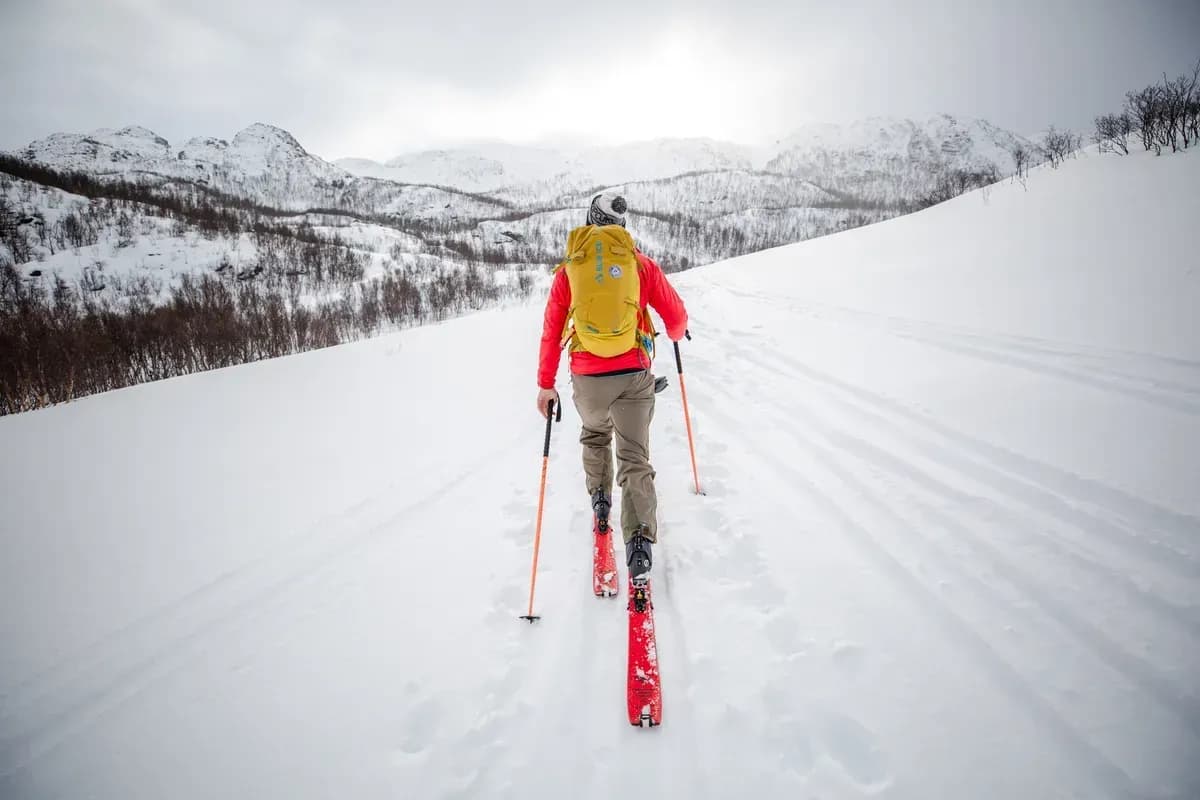
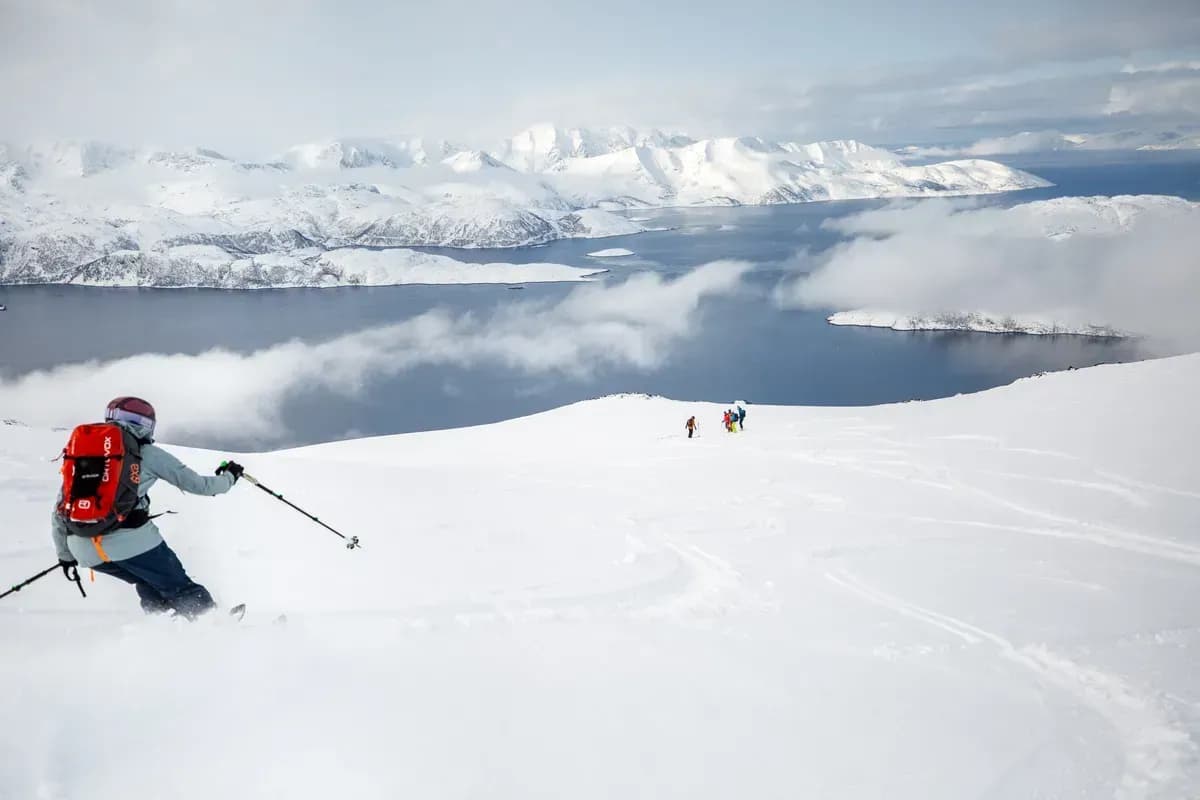
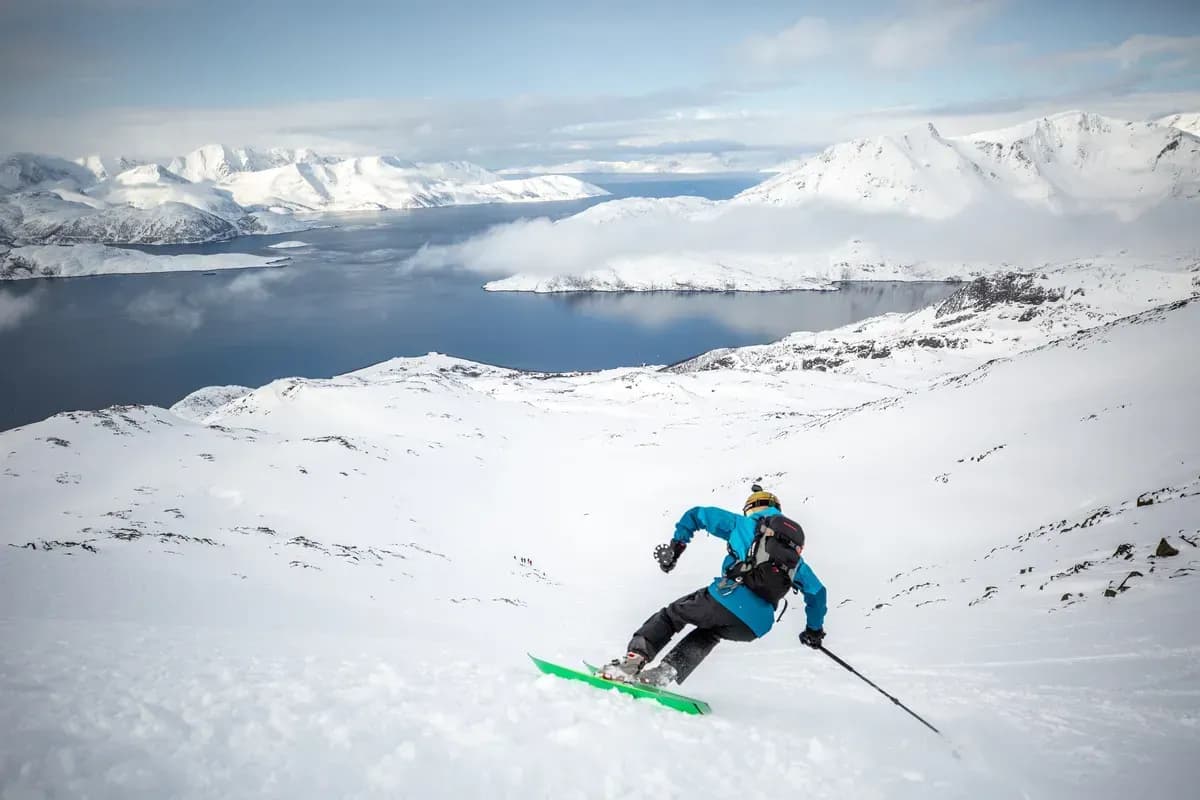
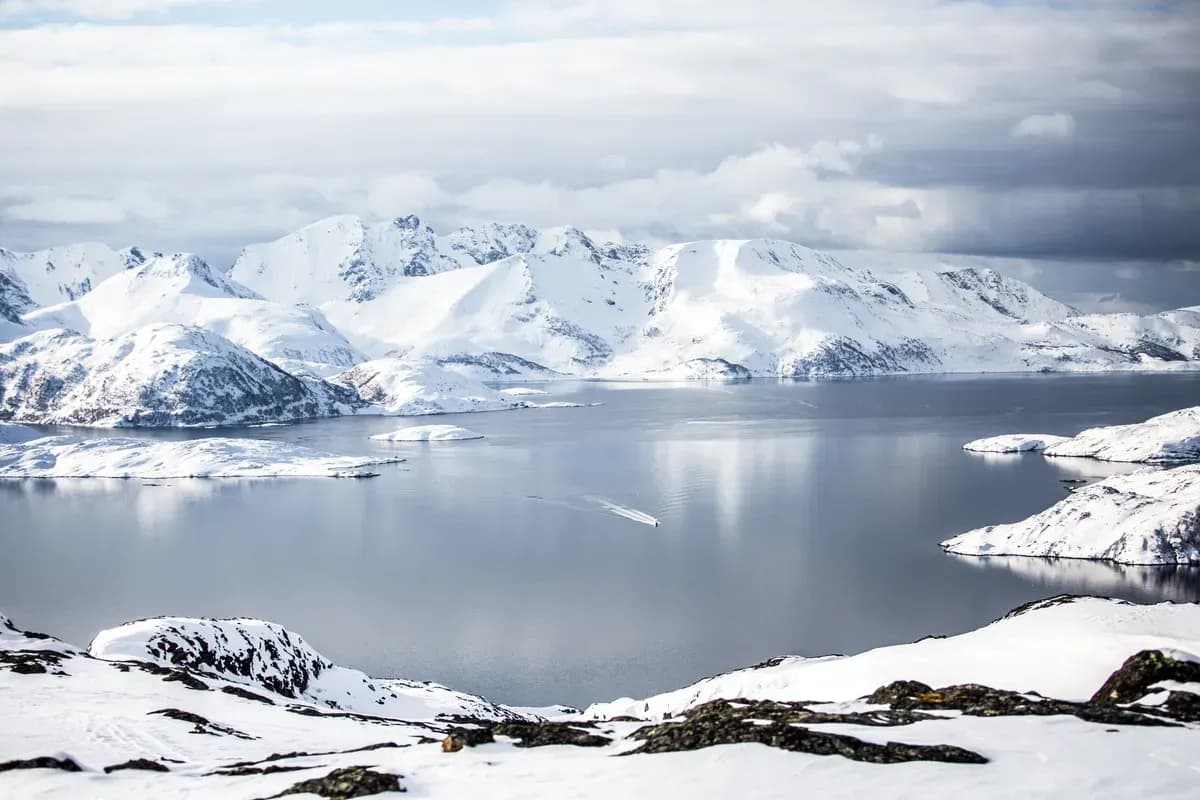
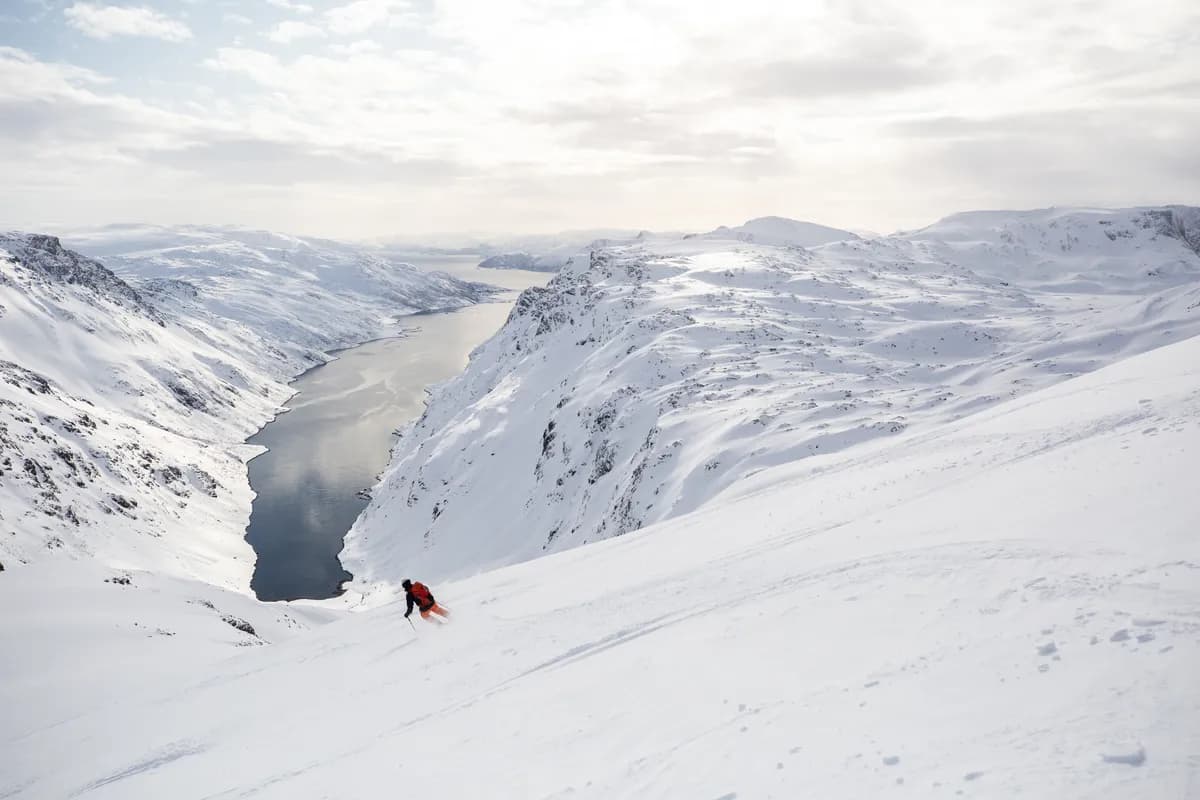
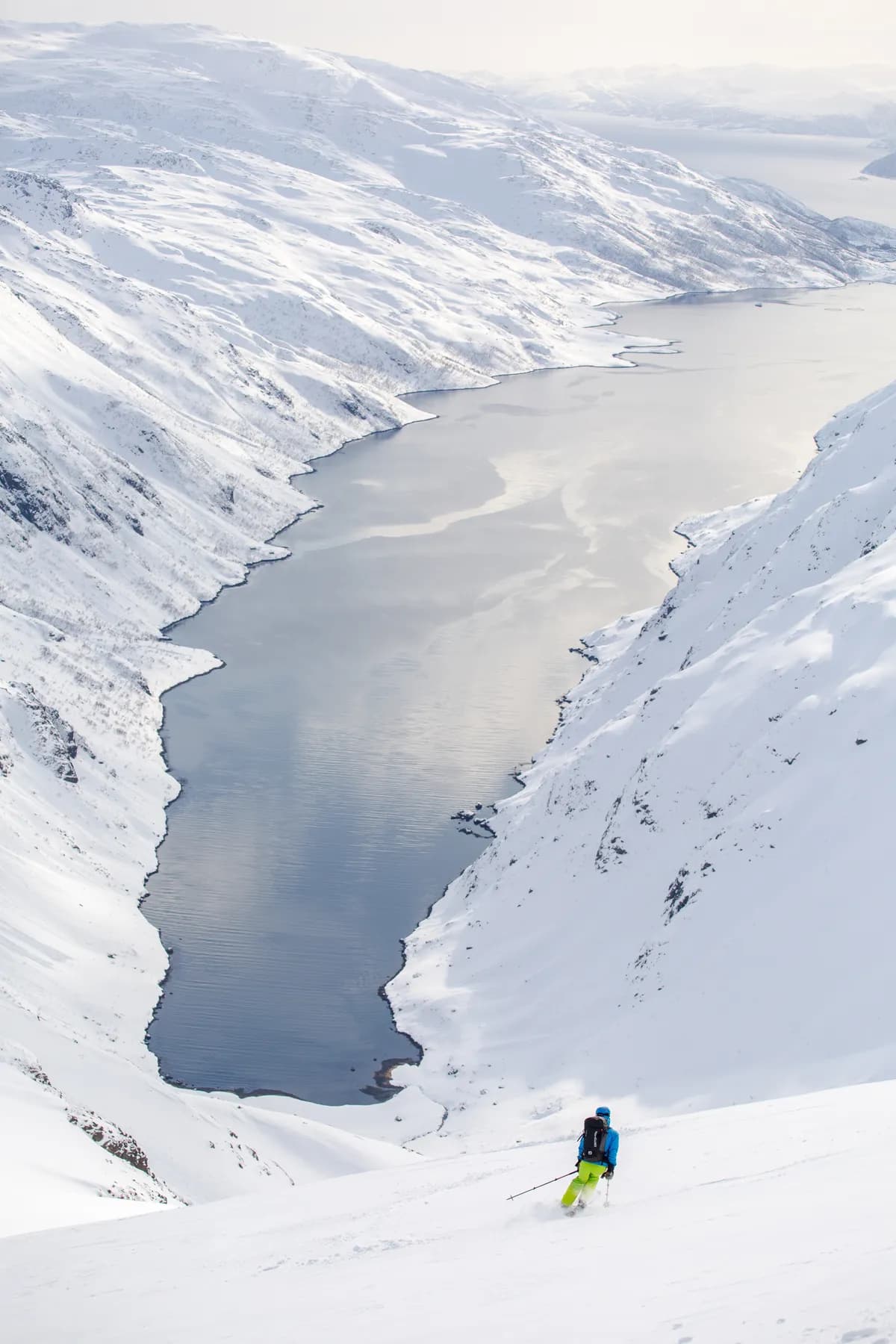
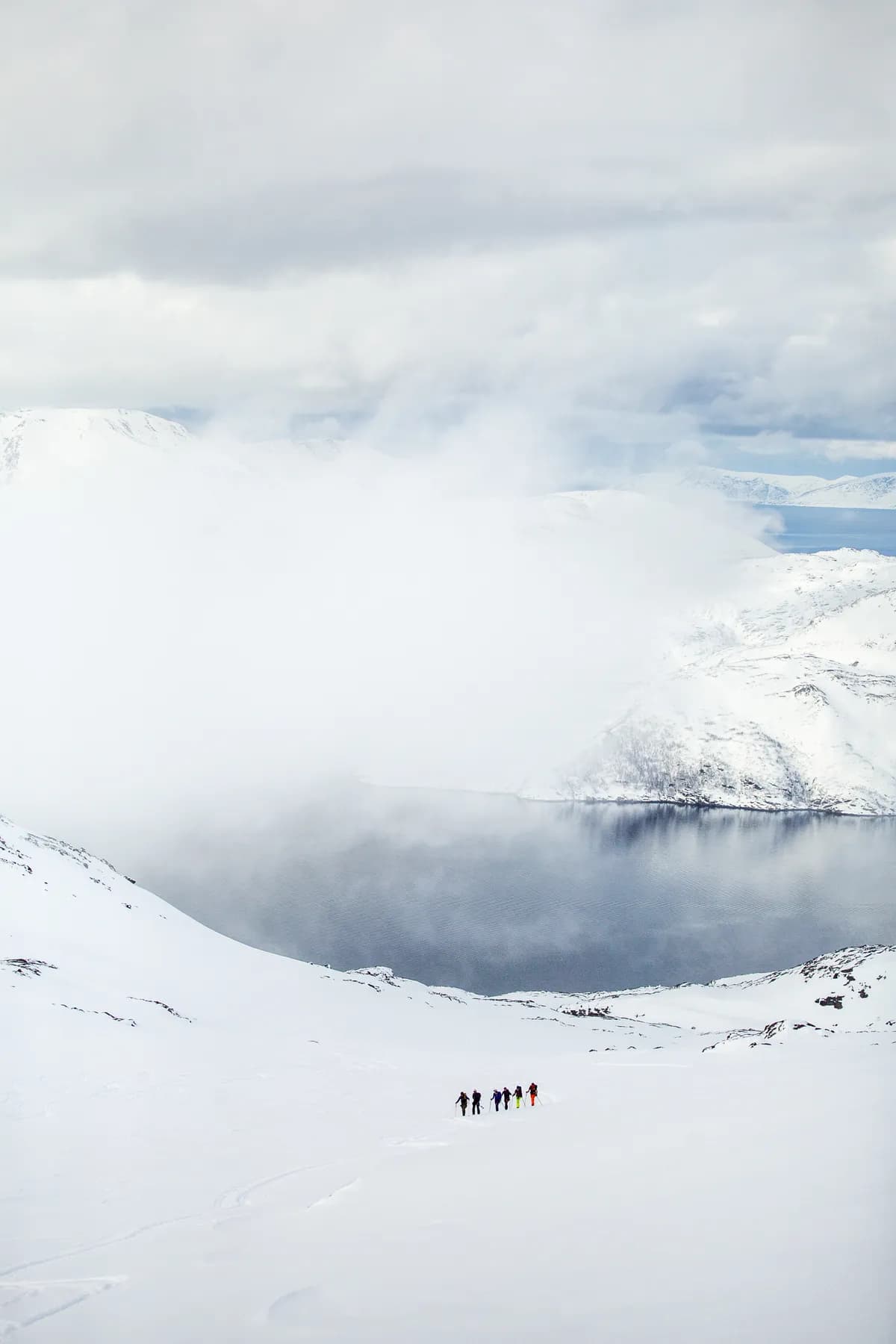
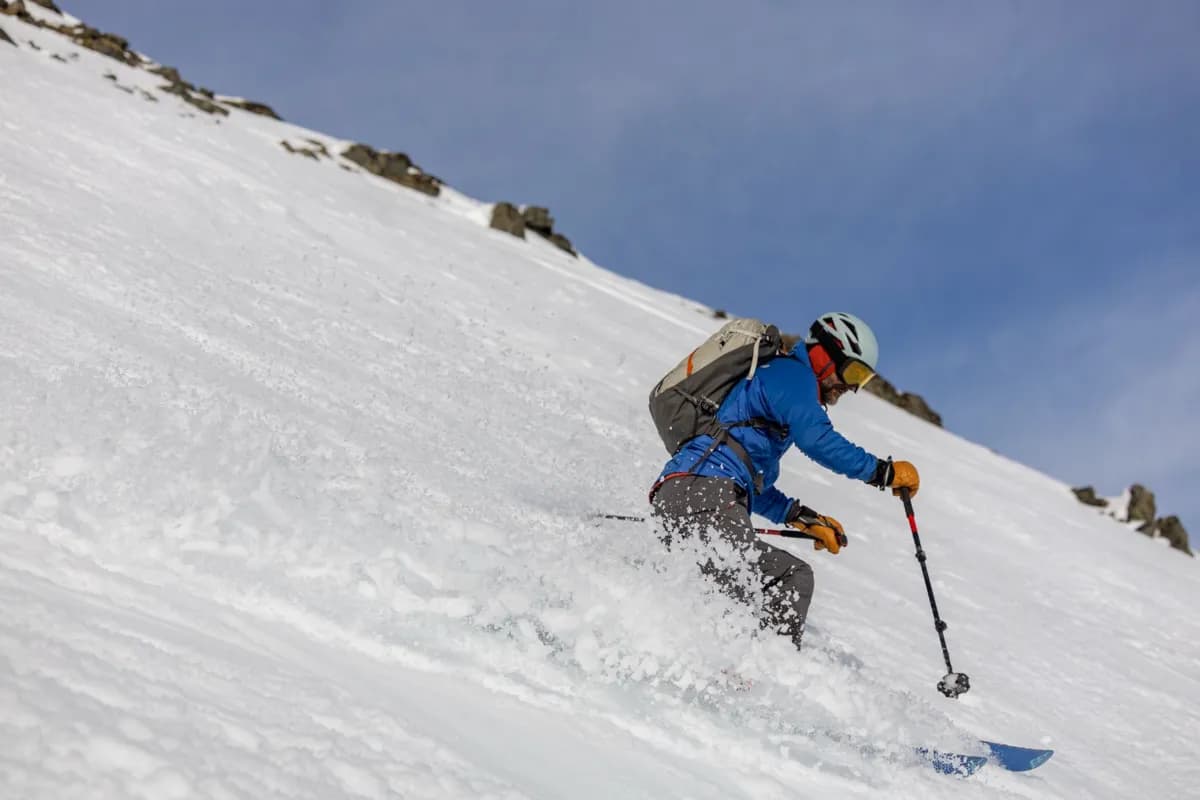
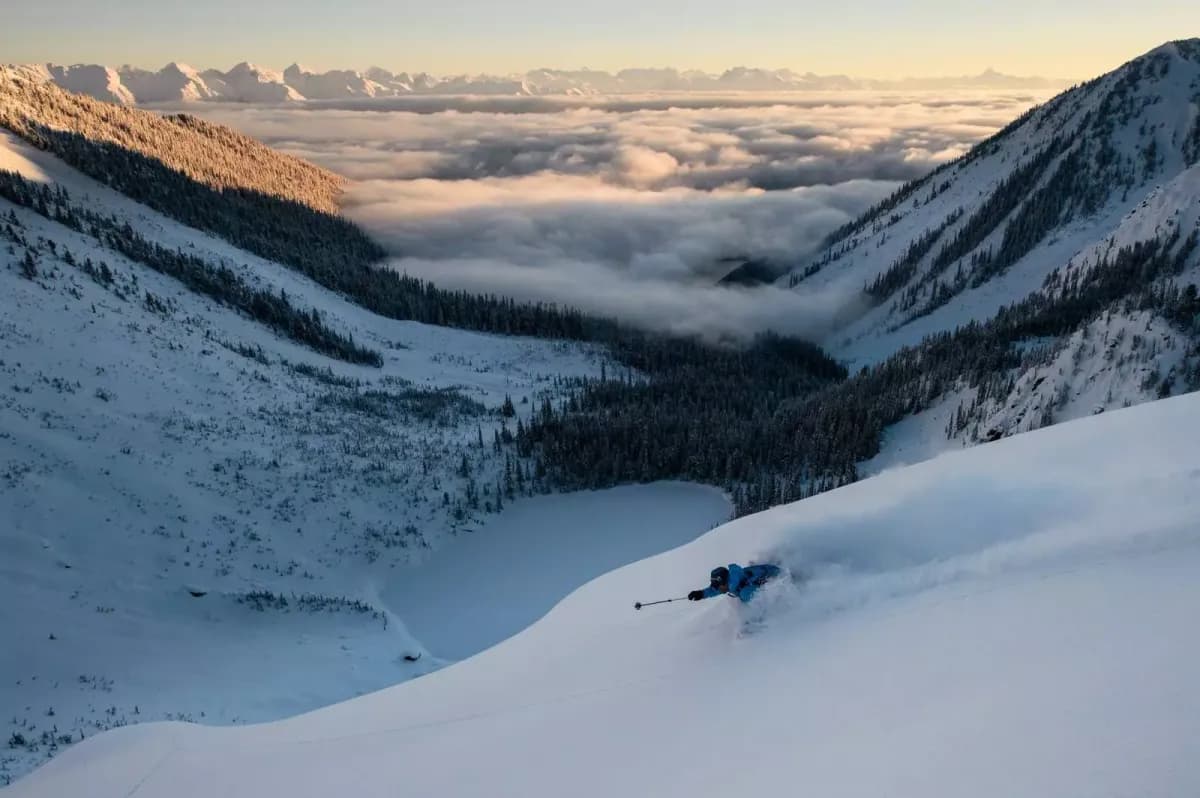
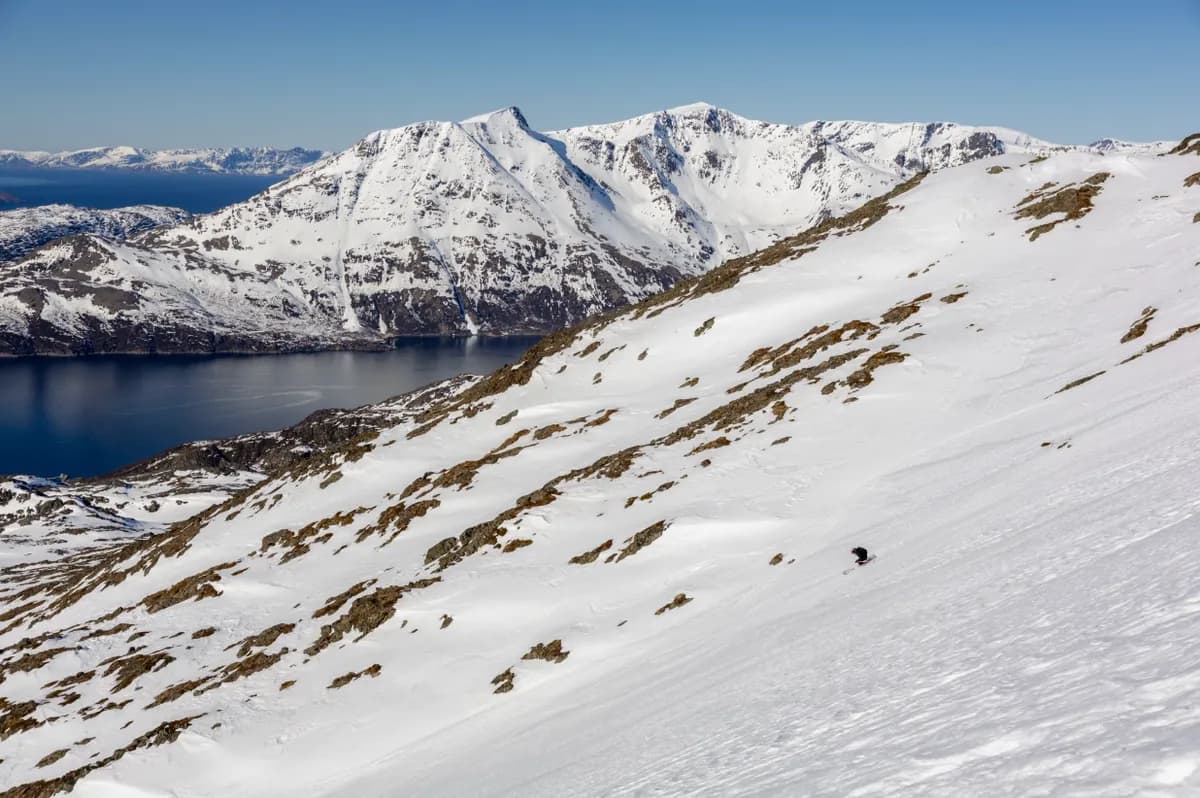
Northern Norway is world-famous for its “Fjell til Fjord” skiing—peaks rising directly from the sea. Seiland House offers some of the best terrain in the region, set on a remote island north of 70° latitude in the Norwegian Sea. Despite its arctic location, access is simple: daily flights from Oslo to Alta followed by a short ferry ride bring you straight into this hidden gem.

If you’re looking for an exotic European destination with a reliable snowpack, Seiland delivers:

  • Remote arctic fjords and mountains bordering a national park
  • Exclusive access—escape the crowds of Lofoten and Lyngen
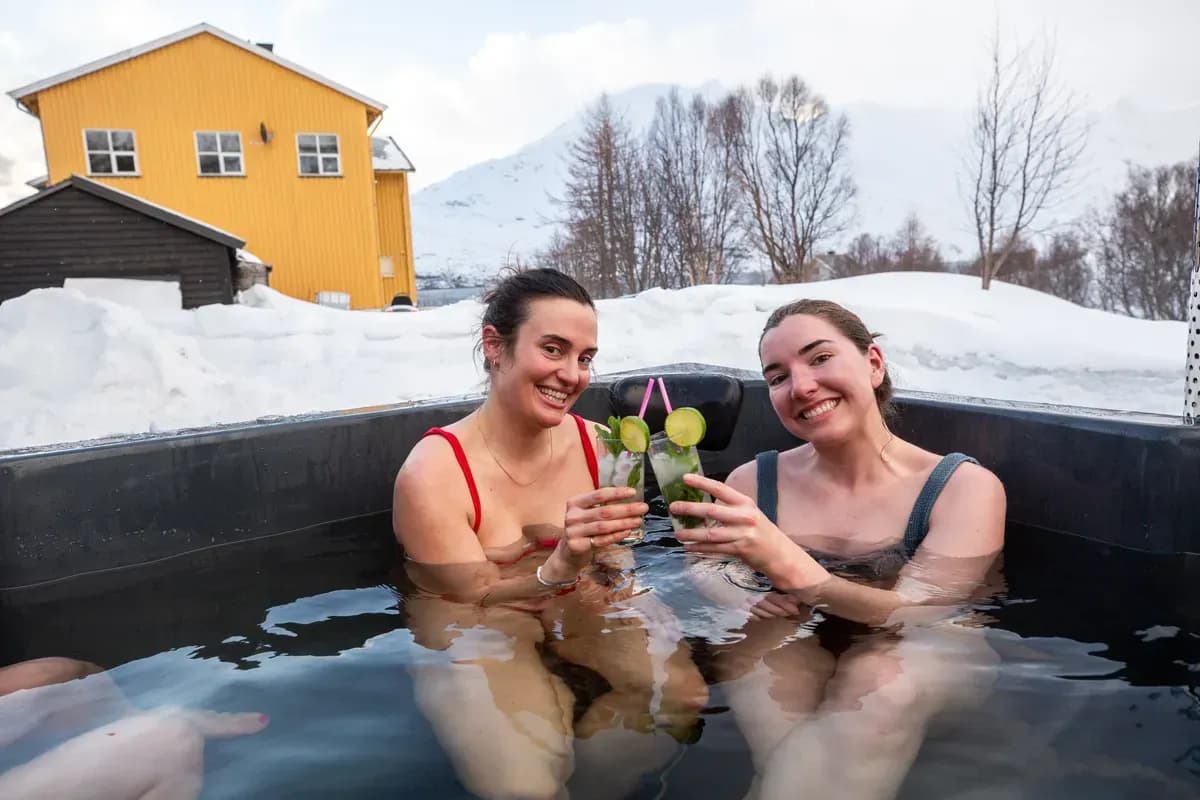
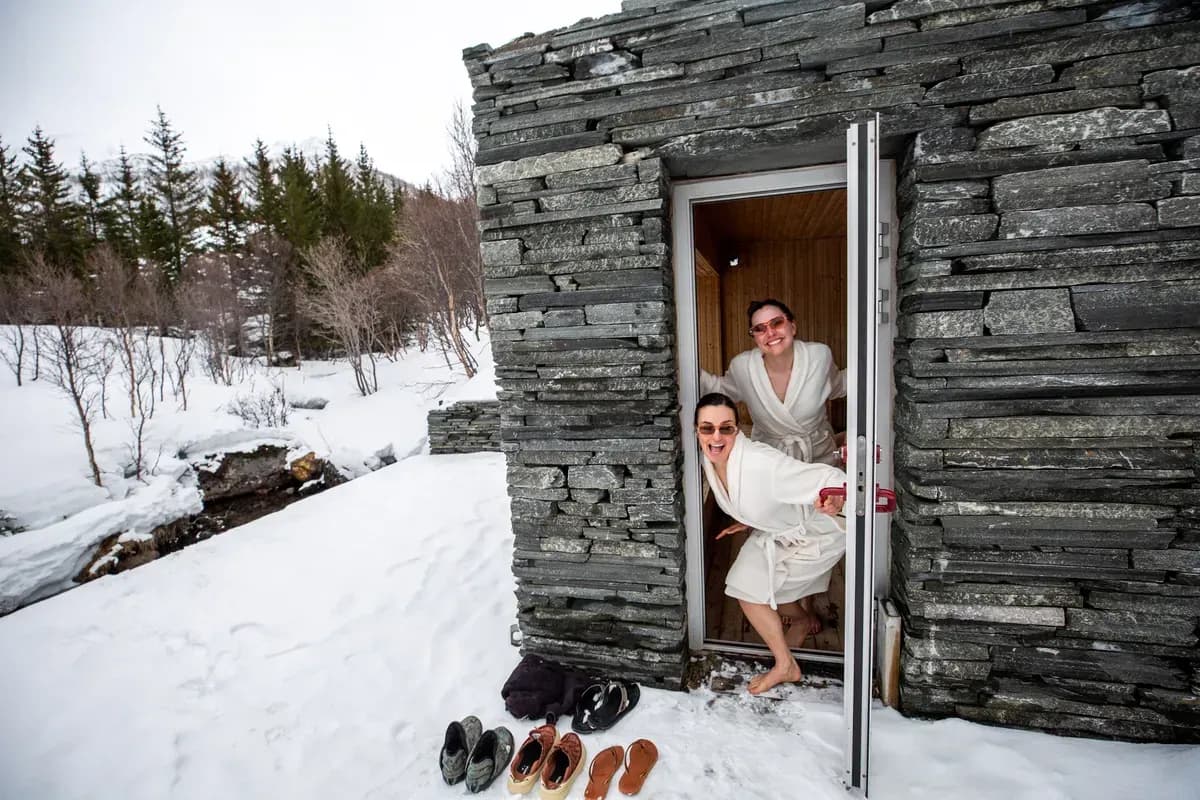
  • Superb hospitality with local cuisine, wood-fired hot tub, and sauna
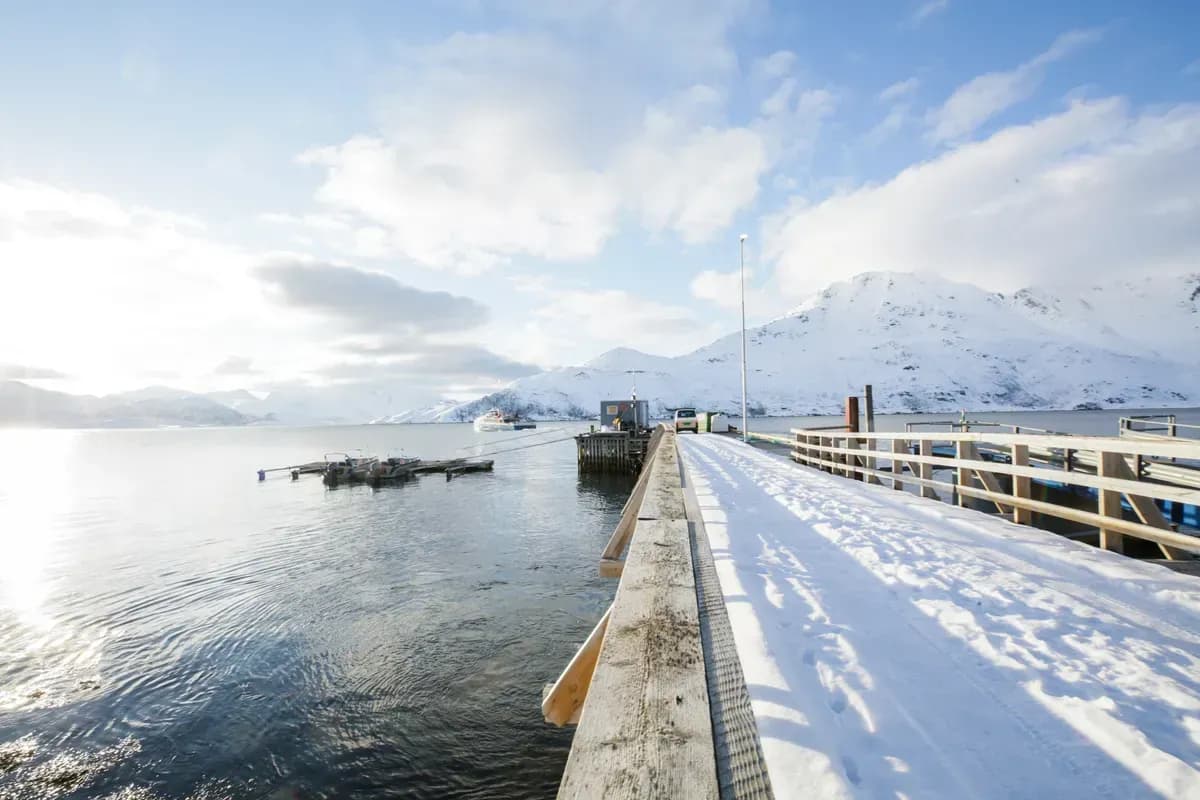
  • Ski directly above the lodge or take a short boat ride across Altnesfjord or to nearby Stjernøya Island

Sea-to-Summit Adventures

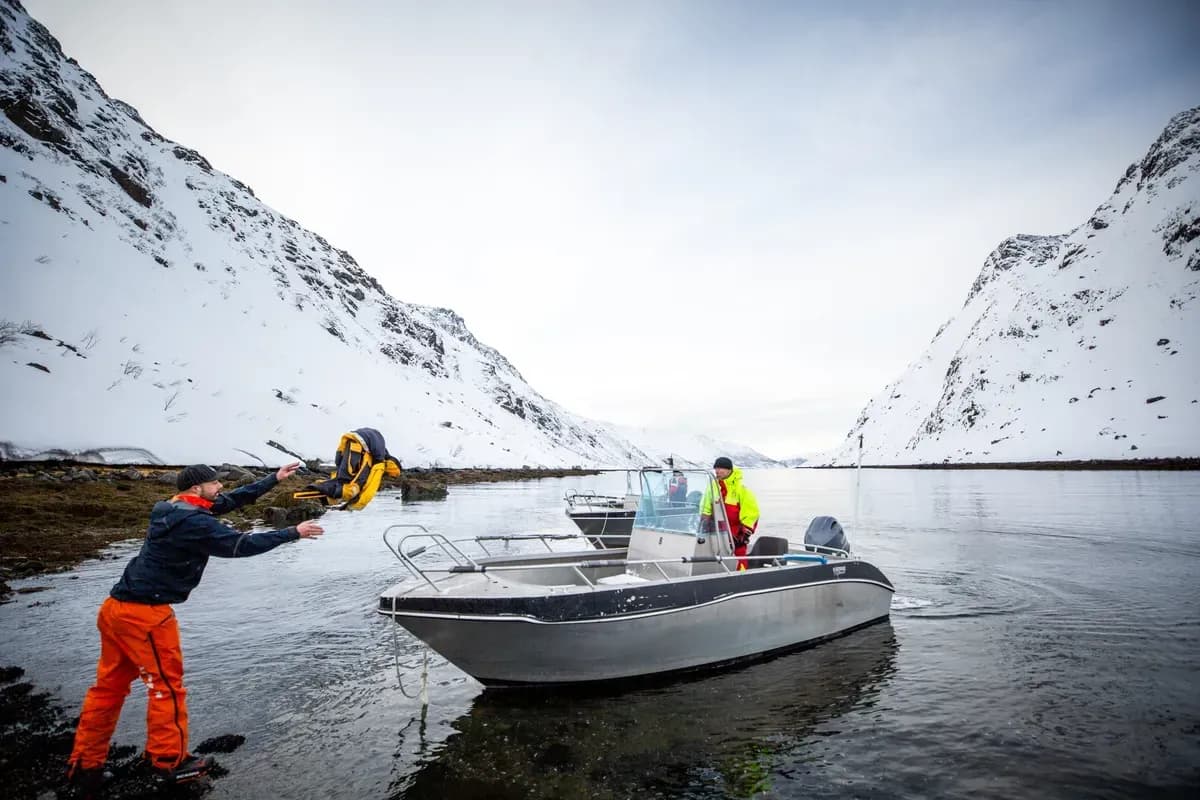
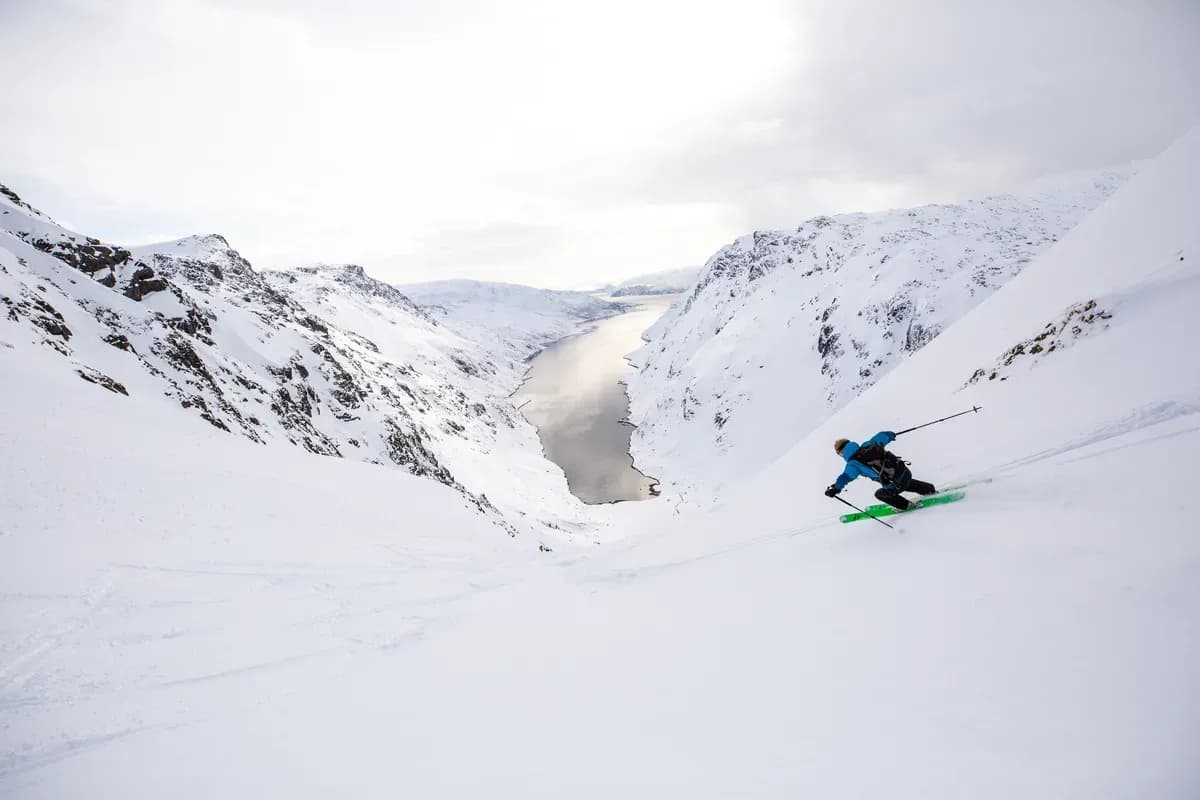
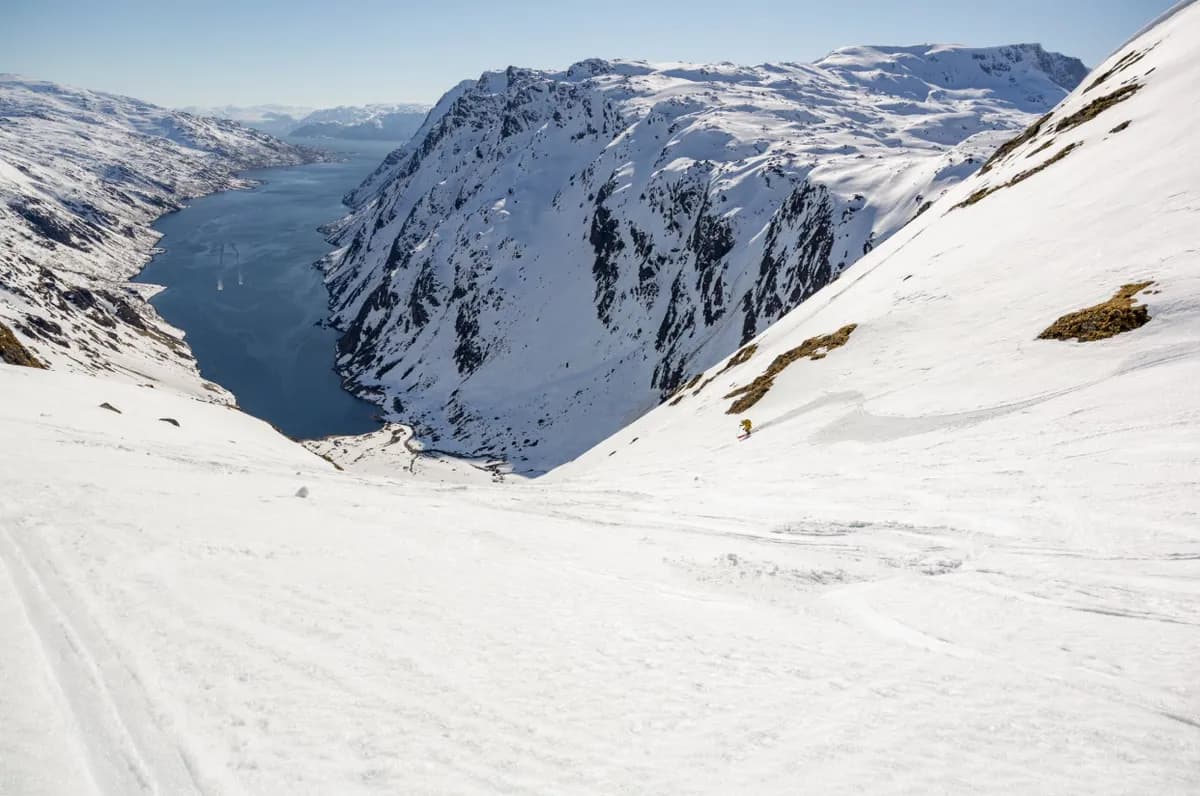
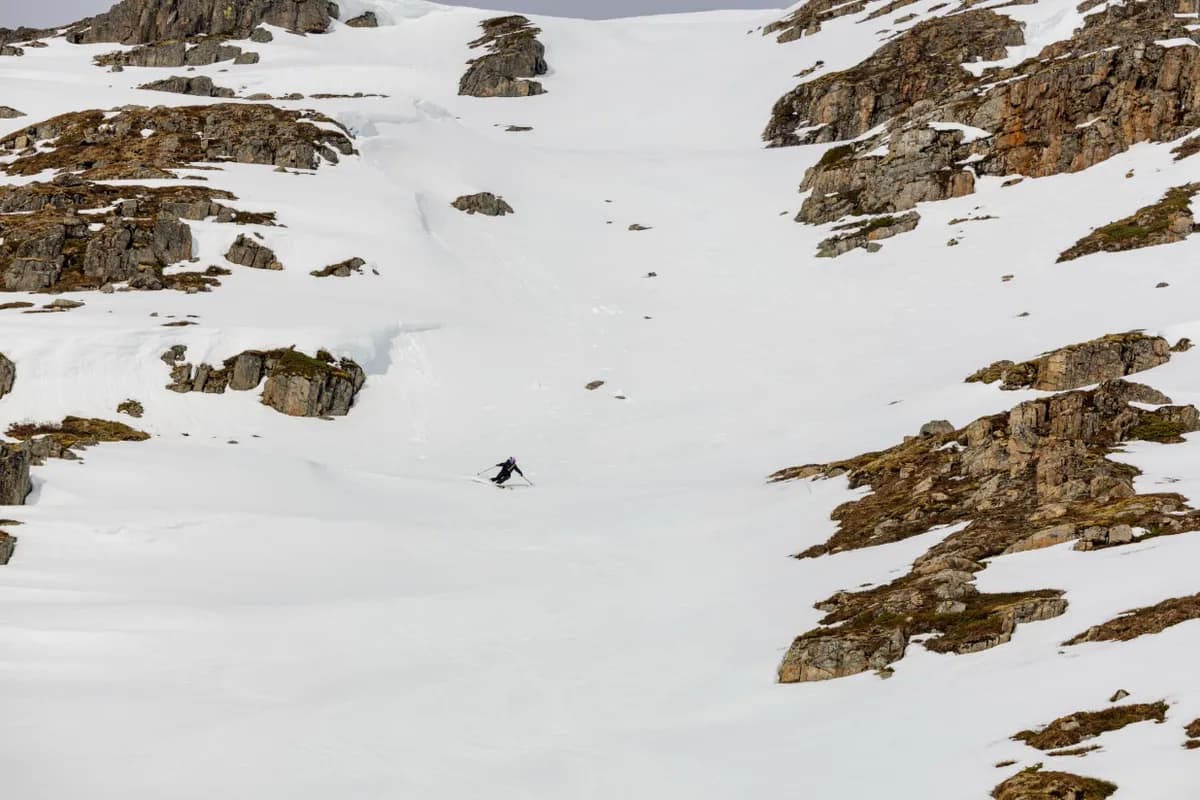
Much of Seiland’s terrain is accessible only by boat. The highlight is Seilandstuva, the island’s highest peak, with sweeping views over Norway’s northernmost glaciers and unforgettable descents straight to the sea. Across the Stjernsund Strait, a 20-minute crossing brings us to Stjernøya (Sami: Stierdná), home to dramatic fjords and tours such as Rottenhallen, the island’s tallest peak.

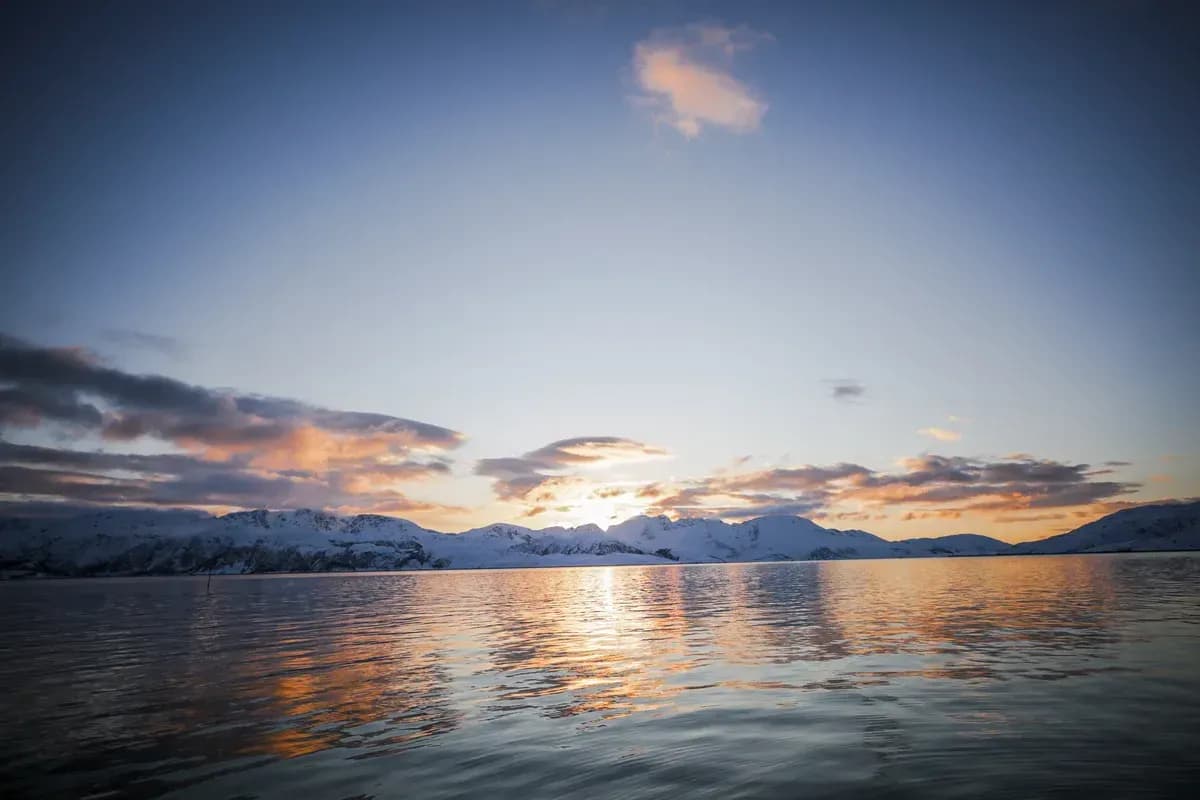
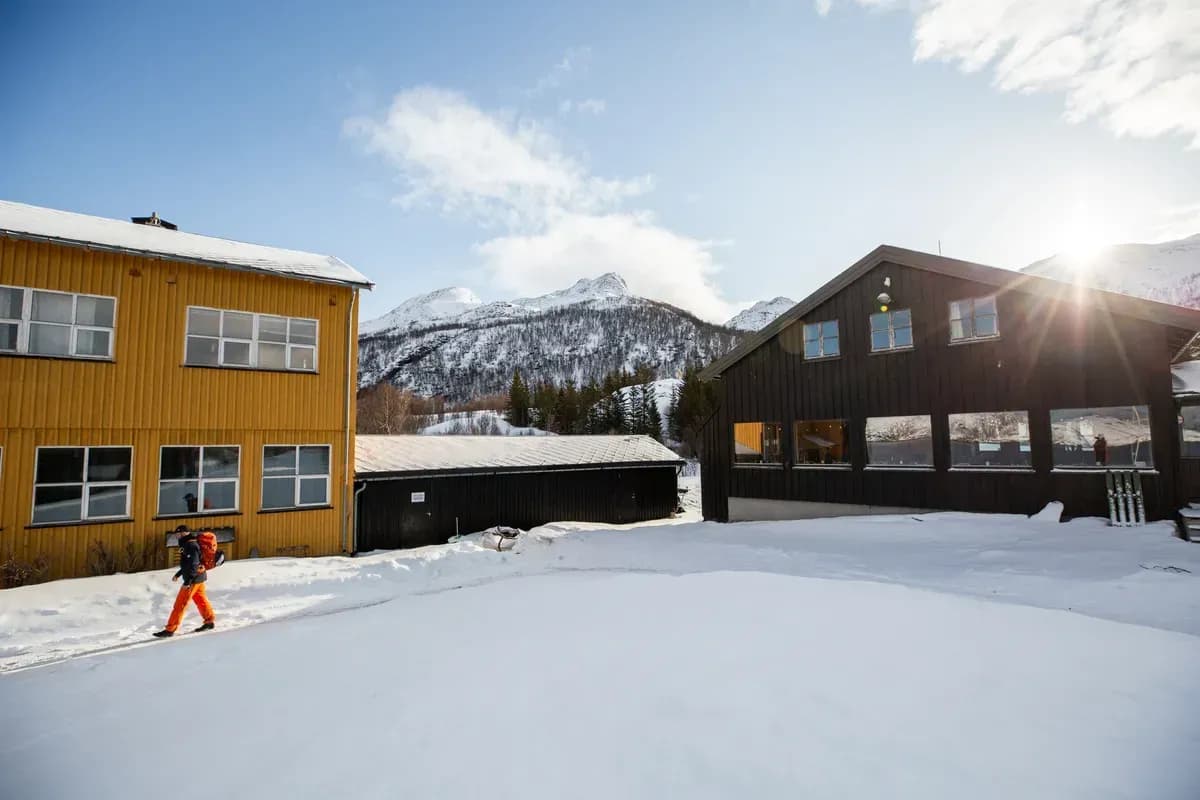
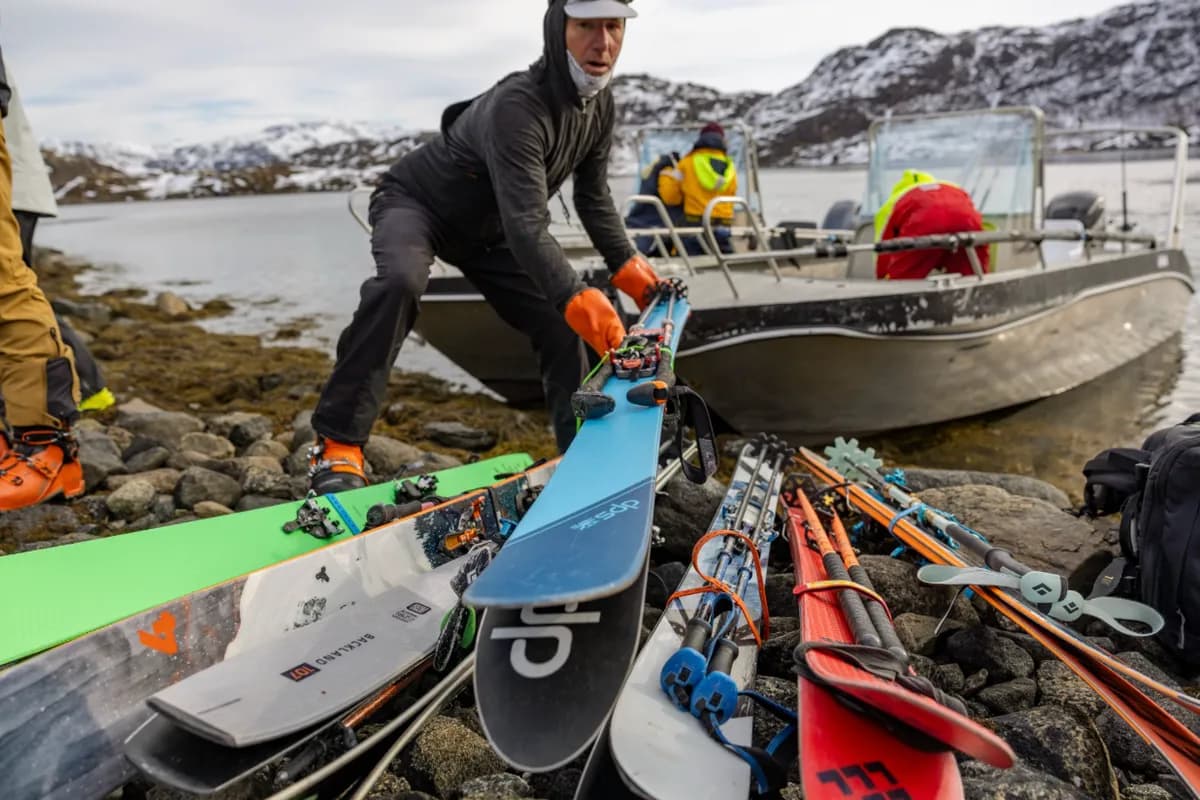
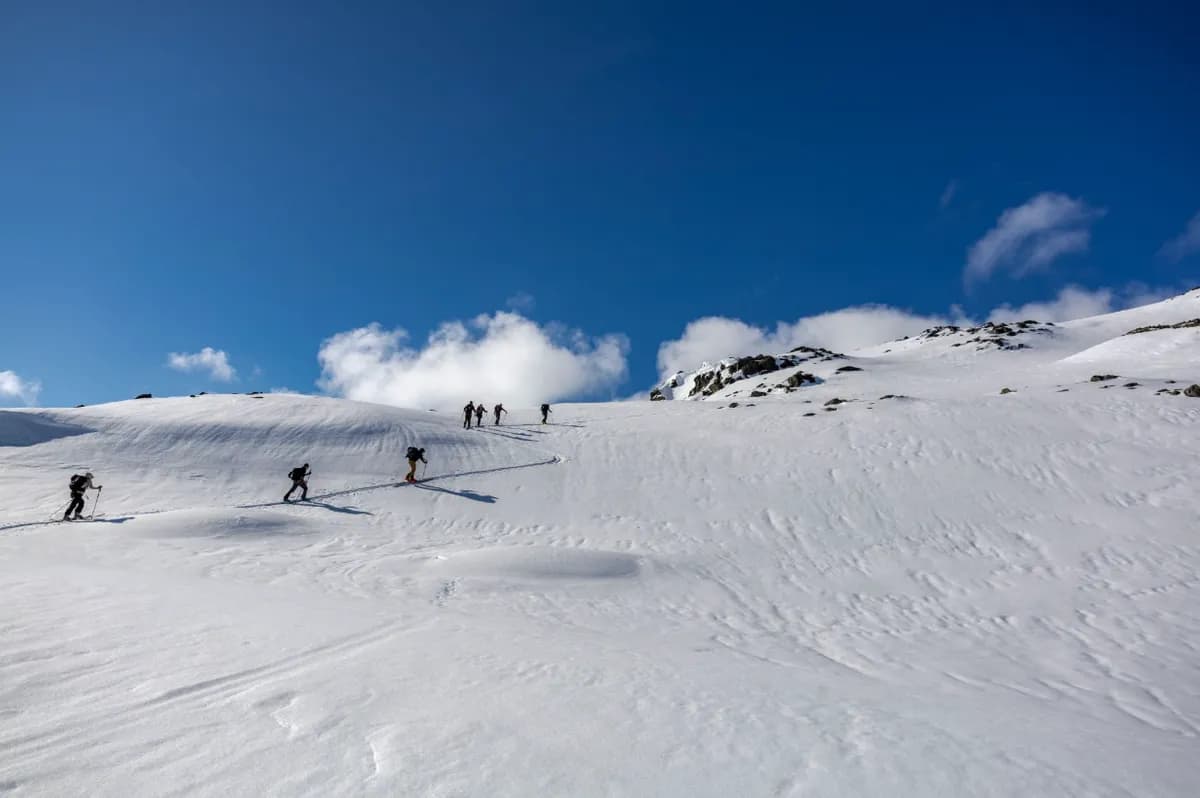
A typical day begins from Seiland House’s dock by motorboat. Tours gain 800–1300 m of vertical (3–5 hours of ascent) and often descend via different routes, finishing in another fjord where the boat collects us for the return—true “sea-to-summit” skiing.

Culture and History

Unlike Svalbard, which has no indigenous history, Northern Norway has been home to both Norse settlers and the indigenous Sámi for thousands of years. Seiland itself sits at the crossroads of two Sámi traditions: reindeer herding and coastal fishing. The island still serves as summer pasture for reindeer, isolated from mainland predators such as wolverine and lynx.

The name Seiland is ancient, derived from Proto-Norse Sai-aujo (“sea-island”). In Norse times it transformed first to Sæ-ey, later shortened to Sei, with land (“island”) added afterwards. The Northern Sámi name Sievju likely reflects an old loan of this form.

Nearby Stjernøya also carries an ancient name. Its Sami form Stierdná means “star,” inspired by the deep fjords and long, thin peninsulas on the island’s north end that suggested star-like rays to Viking sailors.

Tour Image
Tour Image
Tour Image

locationMeeting place and time

Alta, Norway

planePlace and time of the end of the trip

Alta, Norway

Included

checked7 nights lodging

checkedfull board meals

checkedguiding

checkedboat transfers

Excluded

canceledtravel to Alta, Norway

canceledalcoholic beverages

canceledgratuities

canceledtrip cancellation and evacuation insurance

canceledhotel stays in Alta

canceledNorwegian VAT

bootsEquipment

PACKING NOTES

Click here for a visual ski touring checklist.

You need to bring all of the following personal equipment. Please don’t bring extra equipment. If you have any questions at all about gear please do not hesitate to contact us.

Ski crampons are a must for spring ski touring on Seiland. They are specific to your binding type. Order well in advance as this is something that’s often not available at the last minute. If you can’t find a crampon to fit your binding, G3 crampons have an attachment system that works for many bindings. Again, do this well in advance of the trip.

There are no equipment rentals on Seiland. We do rent ski gear if arranged in advance. If you need to rent from us the fee is $550 CAD for this trip, and you must sign a rental waiver. In any event it is highly recommended you bring your own equipment and that you make sure it is in top condition.

CLOTHING

  • Wool or synthetic socks and liner socks
  • Long underwear top – synthetic or wool
  • Light fleece or wool sweater
  • Wind shell – nylon or ‘Schoeller’ type jacket
  • Waterproof breathable jacket
  • Warm insulated jacket – down or synthetic
  • Long underwear bottoms – synthetic or wool
  • Multipurpose stretch nylon or ‘Schoeller’ type pants
  • Waterproof breathable pants
  • Warm hat – wool or synthetic
  • Brimmed cap for sun protection
  • Face warmer – scarf, neck tube or balaclava (optional)
  • Light gloves – wool, synthetic or leather
  • Insulated gloves or mitts with waterproof outer shell
  • Spare gloves or mitts
  • Handkerchief for blocking the sun (optional)

SNOW SAFETY EQUIPMENT

  • Avalanche beacon with good batteries (and spares)
  • Shovel
  • Probe (2.4m or longer preferred)

TRAVEL EQUIPMENT

  • Skis or split board
  • Ski strap
  • Ski or snowboard boots
  • Poles
  • Climbing skins
  • Skin wax (or a simple wax candle) — pre-treat your skins ahead of time and bring extra skin wax. Spray-on wax (e.g. mountainFLOW eco-Wax Skin Wax) is a great idea too for field treatments.
  • Ski crampons (mandatory)
  • Binding repair kit to fix your personal travel setup
  • Ski helmet
  • Ski scraper

PERSONAL EQUIPMENT

  • Pack (30-40 litres)
  • Sunglasses (both orange and dark lenses help a lot for travel in all conditions)
  • Goggles (orange lenses)
  • Sunscreen and lip cream (SPF 30+)
  • Head lamp with good batteries
  • Insulated water bottle or thermos (1-2 L)
  • Lunch bag or container
  • Personal blister kit (i.e: Leukotape-P and Compeed, blister pads). Be sure to pre-tape problem spots on your feet with Leukotape, prevention is the best medicine!
  • Tincture of Benzoin (see this how-to for an explanation) or a medical product by 3M called Cavilon — these products help the Leukotape stick for the whole week if necessary.
  • Pocket knife (optional)
  • Camera (optional)
  • Binoculars (optional)
  • Utility cord for hanging stuff to dry (very helpful for hanging personal items in your cabin)

GLACIER GEAR

  • Harness – fitted for over your ski clothing
  • Locking carabiners (x2)
  • Non-locking carabiners (x2)
  • Prussik cord – 5m x 6mm (optional)
  • Sewn sling – 120cm (optional)

AT SEILAND HOUSE

  • Duffle bag for clothes and gear is better than a suitcase or roller bag
  • Shoes
  • Micro-spikes — in case of slippery walking conditions between buildings (optional!)
  • Slippers
  • Comfortable clothing
  • Personal medications and toiletries
  • Ear plugs
  • Reading material
  • Eye mask (recommended for sleeping due to long daylight hours)
  • Chargers & adapters for electronic devices (normal AC power is available as 220V Euro plug)
  • CAD cash (guide tips), NOK (Norwegian krone) cash to pay for your beer tab, souvenirs, and tips/gratuities (lodge staff)

NOTE THE FOLLOWING:

  • Beer and wine are available to purchase at Seiland House at a reasonable price.
  • Pillows, duvets, bed linen and towels supplied at the lodge

GROUP GEAR (SUPPLIED BY THE GUIDES)

  • Altimeter
  • Map and compass
  • GPS
  • Snow study kit
  • Snow and/or bush saw
  • Group first aid kit
  • Emergency tarp
  • Emergency toboggan
  • Group repair kit
  • Radio & satellite phone
  • Ropes for glacier travel

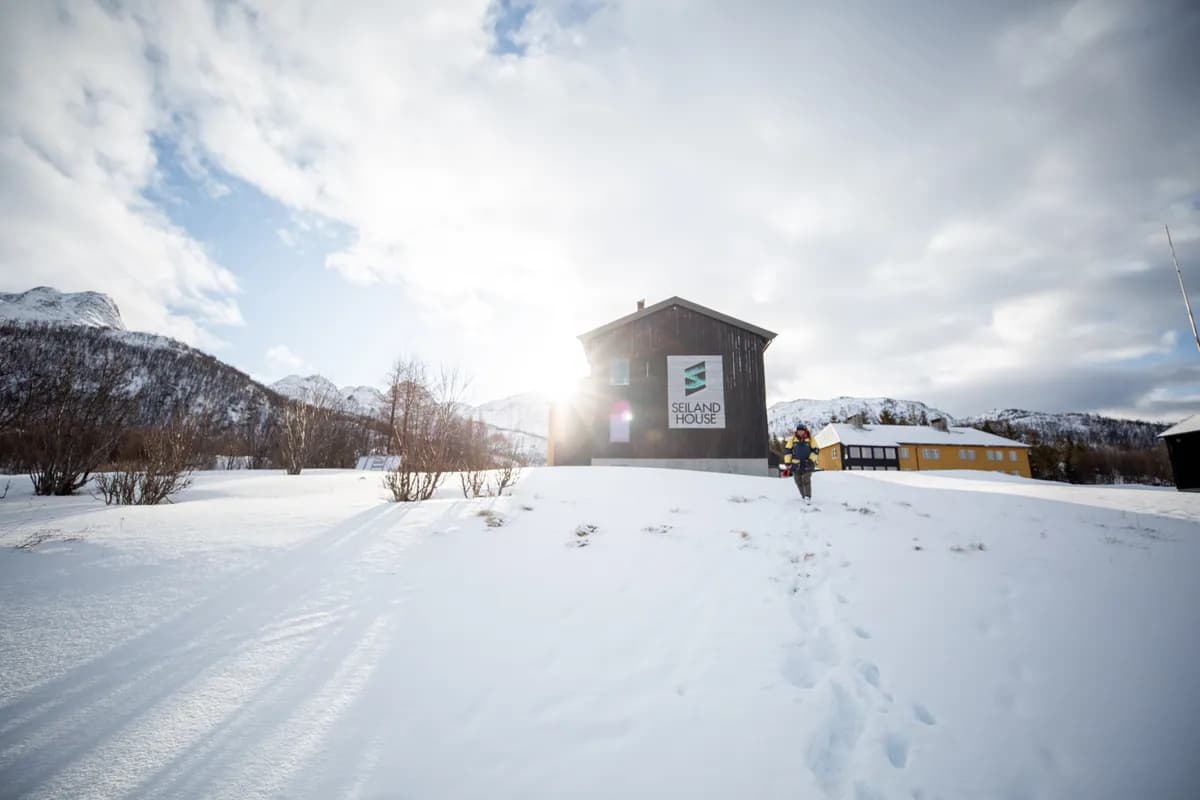
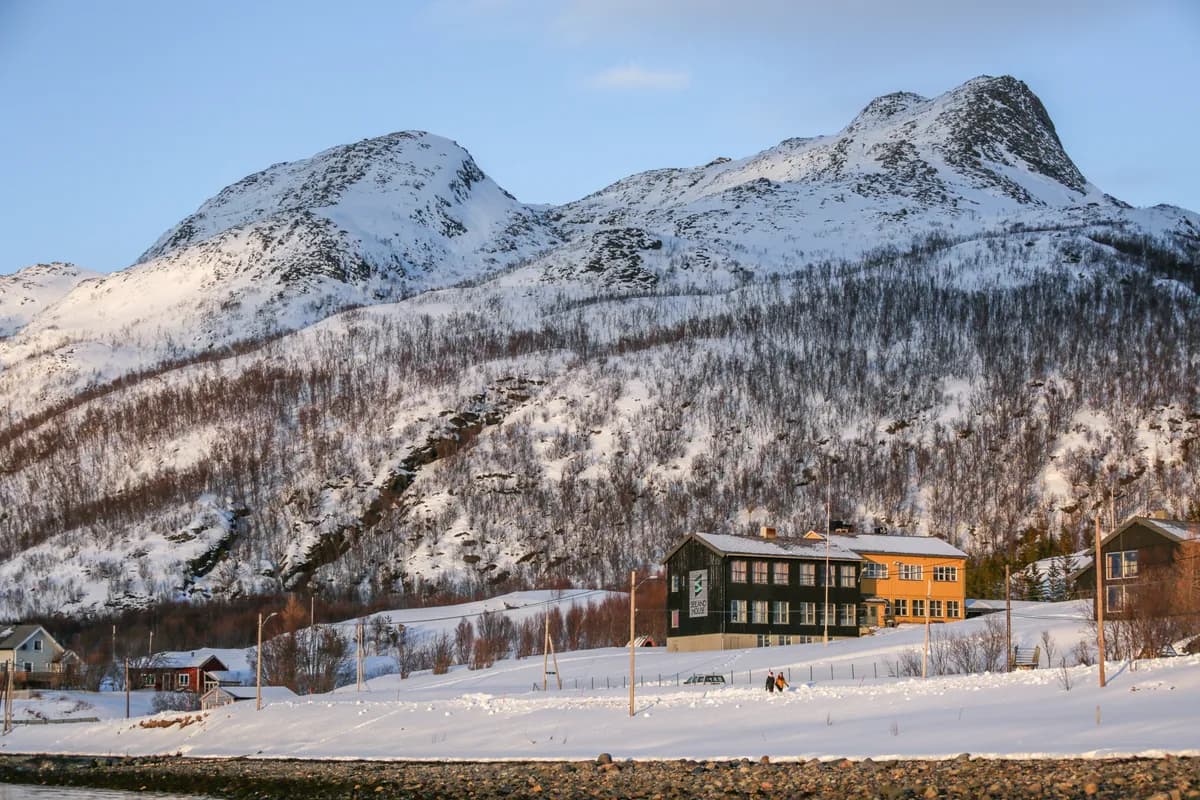
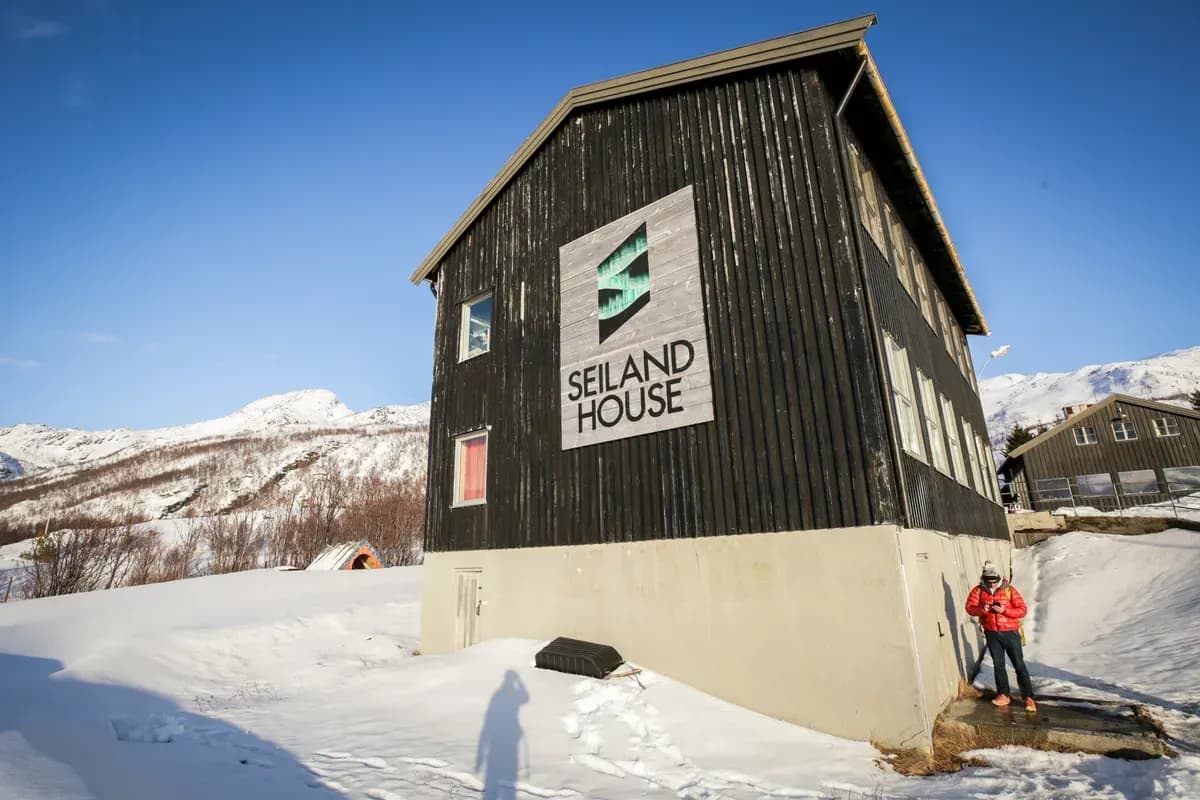
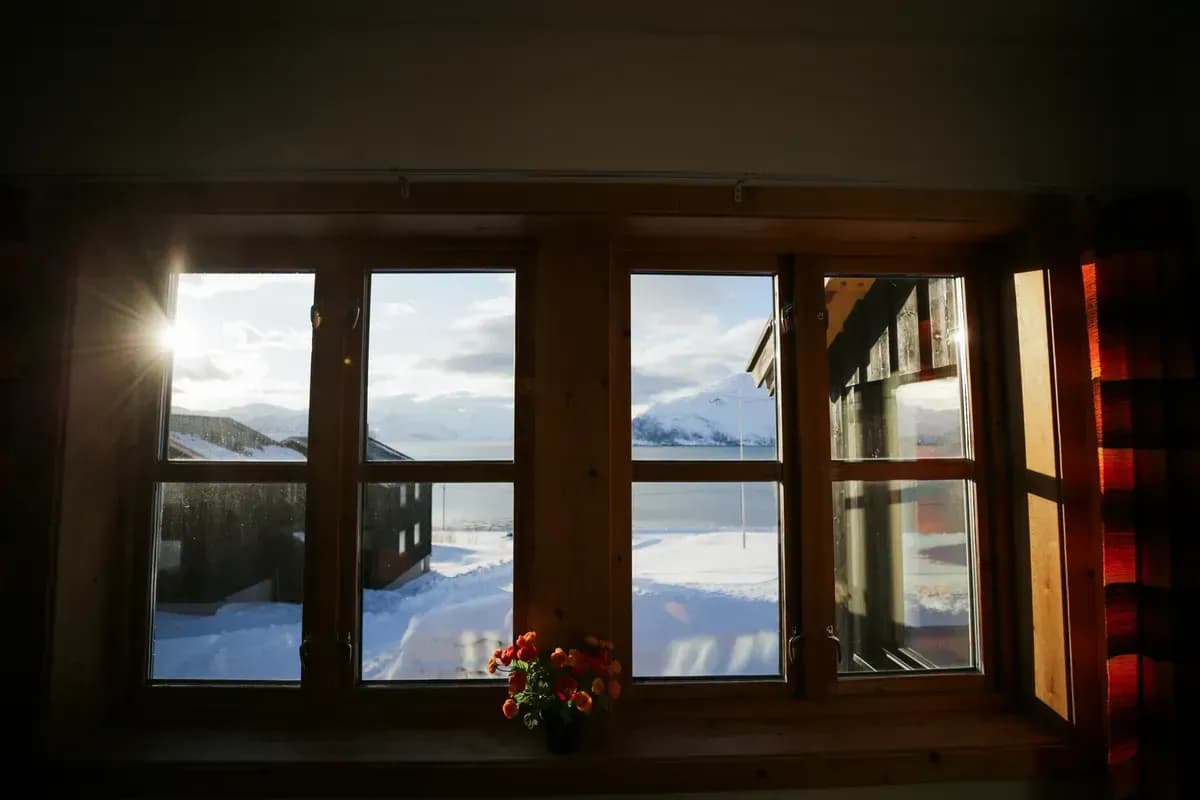
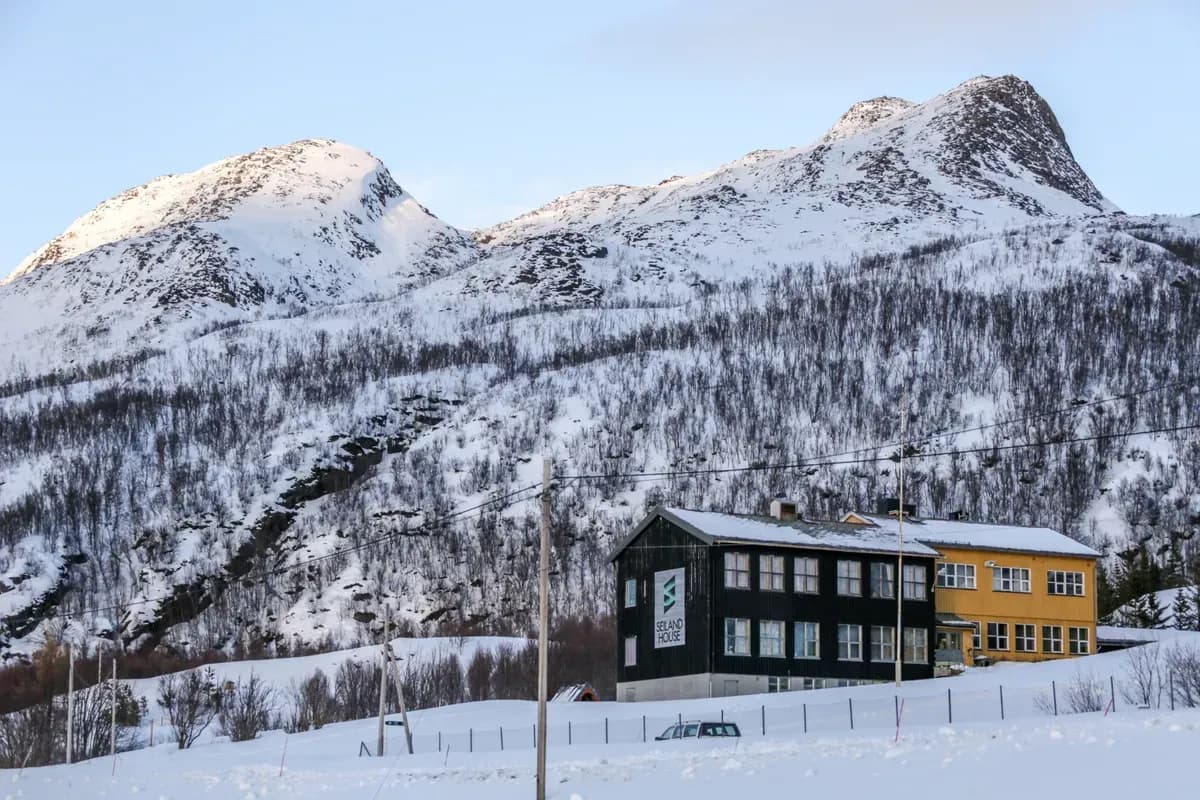
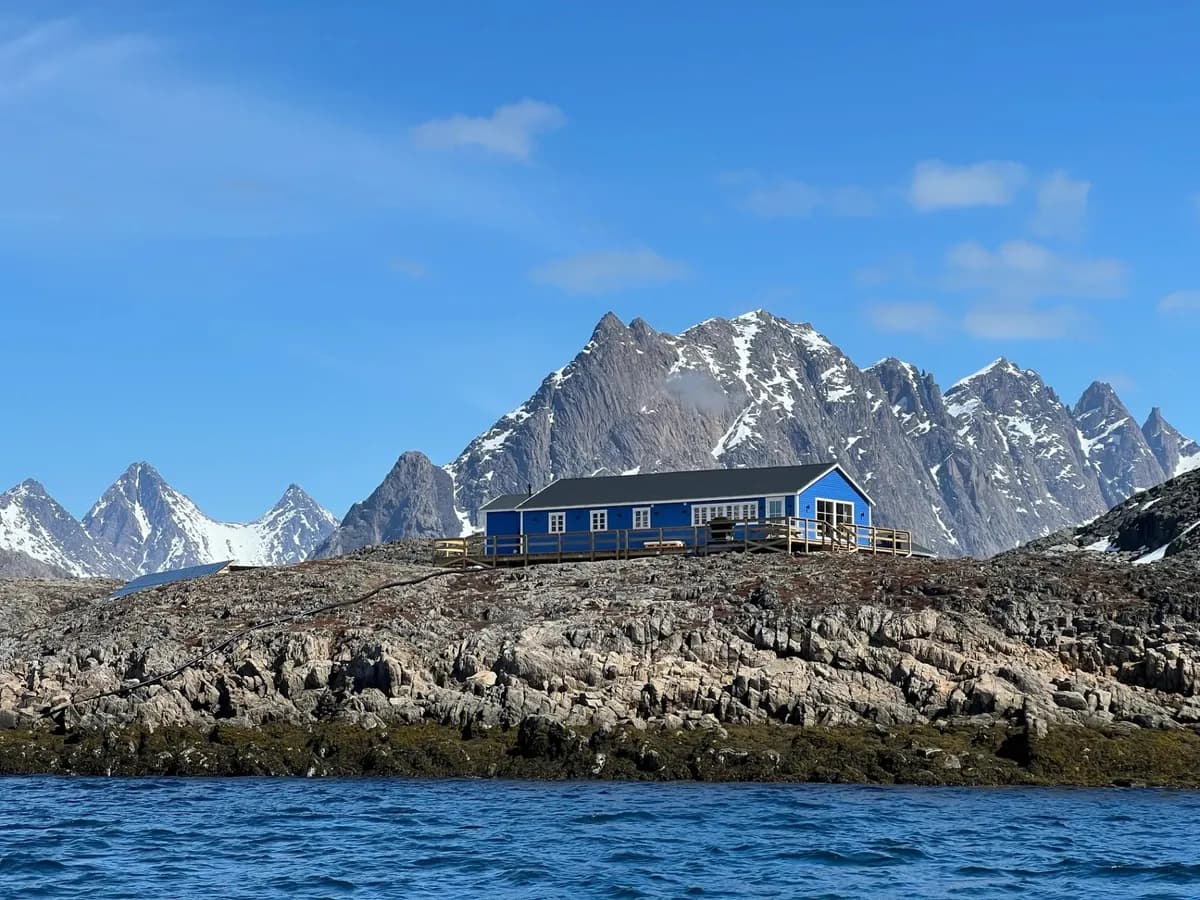
Seiland House is a guesthouse set in the heart of a spectacular fjord landscape, right on the edge of Norway’s most remote national park. Towering peaks drop straight into the sea, creating a playground where you can choose everything from steep, demanding ski lines to gentle tours through birch forests. Despite its world-class scenery, Seiland remains a relatively new and undiscovered destination for ski touring.

Out here, it’s common to ski for days without seeing another person or a single track—a rare and refreshing contrast to Norway’s better-known top-touring hubs.

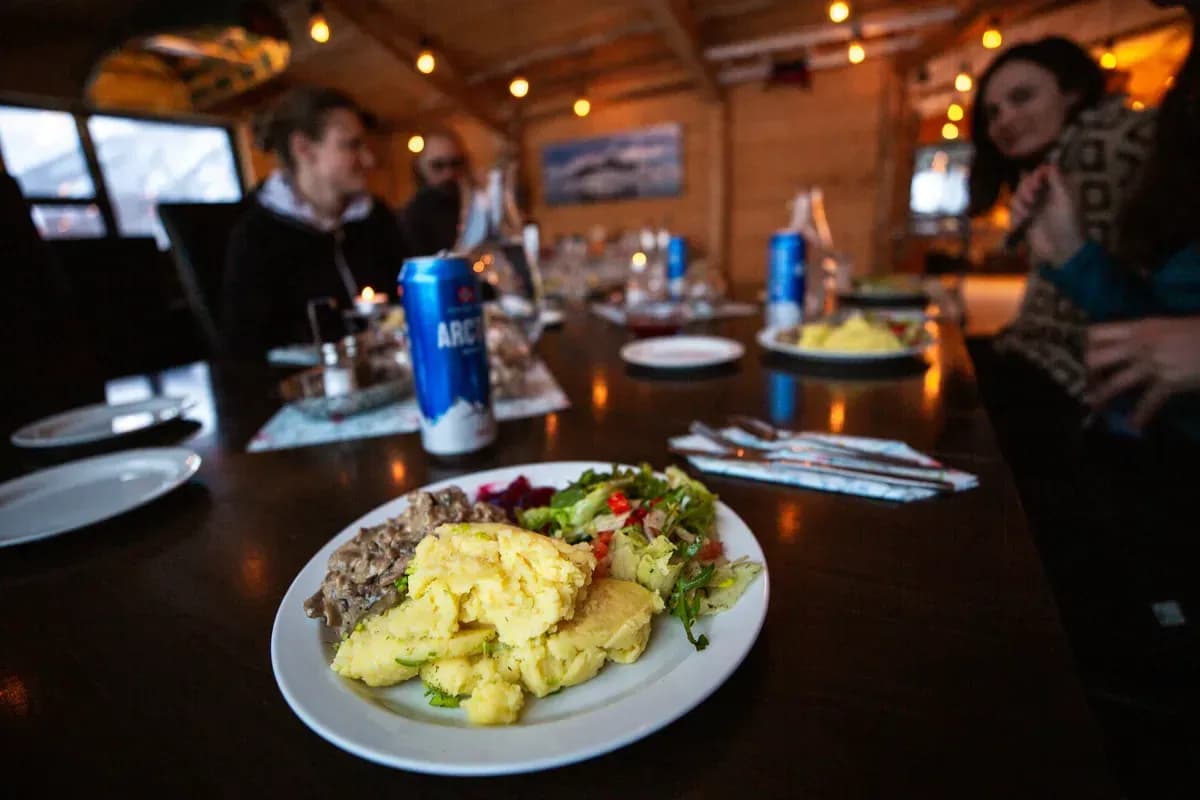
Seiland House provides boat transfers that open up limitless “sea to summit” adventures, giving access to wild terrain far from the crowds. After a big day in the mountains, guests return to enjoy a welcoming atmosphere, with local and international dinners in the in-house restaurant and fresh cocktails at the Caribbean Bar—run by your hosts, the Norwegian–Cuban duo Stig and Diamela.

Recovery comes easy here: soak in the wood-fired outdoor hot tub, sweat in the sauna overlooking the fjord, and watch the Northern Lights dance across the March night sky—still prime season for aurora viewing.

Accommodation image
Accommodation image

Program

Day 1

For guests arriving by plane from Oslo, SAS arrives at 13:40. This gives you time to have lunch and make your way to the ferry terminal (shuttle service provided upon request). We catch the ferry at 16:24 from Alta (or possibly 17:38 from Storekorsnes) and arrive in Seiland at 18:15 where dinner and your cozy apartment await.

Day 2-7

Every day — ski touring and sailing.

There is a wide range of ski touring options, with several tours above Seland House and others accessible via motorboat in adjacent fjords.

Day 8

Airport transfer in the a.m. Wideroe has a flight from Alta to Oslo at 15:50 that afternoon which is pretty ideal. We will arrive back in Alta by about 10 am but budget a couple hours extra in case of unexpected delays. You can in fact make the 07:30 SAS flight but that requires catching the ferry after our last day of skiing on Day 7 and spending the night in Alta with an extra-early morning wake-up.

What is included with the trip fee?

Included: Please see Seiland House website for details re lodge stay. All meals are included. Motor boat access to ski terrain. Mountain guide and boat services.

Not included: Flights to Norway; Norwegian VAT; alcoholic beverages; Ski touring and mountaineering equipment; Personal insurance for accidents, medical, cancellation and baggage; gratuities; and everything not written in “what’s included”

“Will we get a chance to take photos of Polar Bears?” / or: “Will we be attacked by Polar Bears?”

The answer to both questions is “No”. Our itinerary is far from the polar bear’s classic habitat, which is on the pack ice far to the north, e.g. Svalbard.

Will we see the Aurora Borealis?

Mid April is the end of northern lights season, so there’s a good chance we’ll get treated to a specacular show with the longer nights of March!

Do you have suggestions for travel logistics and things to do in Oslo?

Flights within Norway (Oslo – Alta – Oslo):

Arrive in Alta at the latest on Sunday (Norwegian 11:30 and SAS 13:00 arrivals). Norwegian has a 12:15 departure direct flight at the end of the trip that is possible with an early ferry from Seiland. Wideroe is a budget airline that might be worth checking out.

International flights to Norway (to Oslo):

For your flight to Oslo, look for flights with shorter durations and the fewest connections. Direct flights to Oslo from North America are only available from New York City.

I recommend you use one of the big airlines like KLM, Lufthansa, United or Air Canada all the way to Oslo, aiming to arrive in Oslo in the early afternoon. Remember to account for baggage costs. Iceland Air offers a slightly different schedule and is worth checking out — not to mention they allow a free “stopover” option for those thinking of checking out Iceland as part of this trip!

From Oslo you may need to overnight and catch the next morning’s flight to Alta (with SAS, Widerøe or Norwegian airlines). See above “Flights within Norway”.

Airport Hotel Transfers

There are taxi options available at the airport as well as rental cars if you're spending some time in Alta.

Booking your flights

There’s no fast way to get to Northern Norway. That said, I do have some hard won advice.

First of all, please bring your boots as carry-on. Do not put them in your checked baggage. Many things can be purchased or rented in the case of lost baggage but not boots. We also suggest you bring your ski touring pack with a set of clothing and transceiver (check your shovel and probe as these are things that can be loaned to you easily).

Finding a good deal on a good flight itinerary to Alta can take a bit of digging. Book well in advance of your trip. Be careful of using the discount sites as additional luggage fees — charged for each leg of your trip potentially — can be pretty hefty. You will need two 23-kg bags so factor that into your planning.

Look for and spend a bit of extra money if necessary to get flights with shorter (<4 hr) stopovers and as few connections as possible (unless it times well with an overnight stay at an airport hotel, e.g. LHR)

For your flight to Oslo, look for flights with shorter durations and the fewest connections. Direct flights to Oslo from North America are only available from New York City (EWR/JFK) and occasionally Miami and Los Angeles (see this webpage for a current list of direct international flights to Oslo).

I recommend you use one of the big airlines like KLM/Delta or Lufthansa/Air Canada all the way to Oslo, aiming to arrive in Oslo in the early afternoon. Remember to account for baggage costs. SAS offers direct flights from a couple of US hubs (I believe Newark and Denver). Iceland Air offers a slightly different schedule and is worth checking out — not to mention they allow a “free” multi-day “stopover” option for those thinking of checking out Iceland as part of this trip!

There are 2-stop itineraries that will get you from North America on Friday to Alta on Saturday. That's a bit tight in the event of delays. In a worst case scenario, if you arrive late we can charter a motorboat or put you on a later ferry to get you to Seiland. Be sure to arrange travel insurance to cover you for these inconveniences, however unlikely it might seem.

For the return (Day 7) you could book the early (07:15) SAS flight to Oslo but that would require taking a ferry back to Alta on the night of Day 6. Contact us well in advance if this is something you would like to arrange. Otherwise, enjoy your last evening Seiland and catch the morning ferry back to Alta on Sunday. Departures has departures to OSL with SAS at 07:15 and 08:00 (why they have two flights within 45 minutes is anybody's guess) as well as 16:45. Wideroe has a flight to OSL at 12:45.

Note that generating complete "Your Home -> Alta" itineraries with airline or third party engines might not show all the options. If you can't find something reasonable, I recommend checking out an itinerary to OSL and then a separate itinerary OSL to ALF (Alta) to see if something else is possible by mixing and matching airlines separately. A bit of a pain, or part of the adventure?

Oslo Airport Hotel

At the Oslo Airport (Gardermoen) my recommendation is the Radisson Hotel & Conference Centre Oslo Airport ($$$). It’s very comfortable and has the best Norwegian-style breakfast buffet — definitely get the “with breakfast” option! It is a short walk from the airport (turn left out of arrivals and walk about 400 m; you can bring a luggage cart with you). It’s very comfortable, and my recommendation for efficiency. I do not recommend booking with a third party agency for the Radisson as making changes will be more complicated and booking directly with the hotel also ensures the best rate (lowest rate is guaranteed).

If you want something a bit cheaper and close to the airport there’s the Scandic Gardermoen ($$). It’s a 7 minute cab or shuttle drive away, which adds to the cost and complication factor. The shuttle service stops at Oslo Airport are on the lower level of Oslo Airport – platform 39. Vy shuttle S55 runs every 15 minutes weekdays from 04:35 – 10:20 and 14:20 – 17:20. Saturday and Sunday every 30 minutes from 04:35 to 01:05 (last departure from the airport). Cost is 80 NOK.

Oslo is a great world class city to visit. There are also good, interesting hotels in downtown Oslo if you want to spend a night or a few days there before or after the trip. I recommend storing your bulky gear at the Gardermoen airport (See Avinor Baggage Check for details & pricing) and taking the train into town with a light overnight bag. Here are a few to consider:

  • Hotel Continental Oslo – Owned by the same family for four generations, Continental is the only Norwegian member of “Leading Hotels of the World”. $$$
  • Scandic Victoria – Central hotel, short walk to Karl Johans gate, parliament and Spikersuppa ice skating rink. $$
  • Comfort Hotel Grand Central – Inside the main train station, 30-min transfer from Oslo airport. $
  • Hotel Rosencrantz – Design hotel in the centre of Oslo. $$

On the way back, book a flight on the morning of Day 11 (see Itinerary tab for dates) to Oslo. If you are heading to a European city as your final destination you should be able to continue on same day. If you are heading across the Atlantic, plan to stay in Oslo again that night and catch an early flight back home, again with one of the big airlines.

What to do when you arrive in Oslo

If you spend a few days in Oslo there’s lots to do. Take the train (there are two companies; vy.no is the one to use) to the main station and walk around the town. Be sure to check out the harbourfront which has lots of nice restaurants and things to see. Here’s a great post-arrival itinerary:

  1. Book into your airport hotel and have a quick shower. Radisson Hotel & Conference & Red are the nicest but 500 m from the airport, Radisson Blue is right next to the train station and airport. You can store most of your stuff in a storage room at check-in, so make sure you have a small pack with your essentials. Don’t take a nap!
  2. Take the train to the Oslo Central Station. Vy and Flytoget are the two train options, with Vy being a lot cheaper and only a few minutes slower. See this how-to for details%20per%20adult).
  3. Check out the sauna on the harbourfront: Oslo Badstuforening or Pust Sauna. Don’t forget towels and bathing suit.
  4. Then check out one of the great restaurants with patios with harbour views, such as Seaport Restaurant.
  5. Take the train back to your hotel and around 9 or 10 pm go to sleep. Maybe take a Melatonin tablet to help with jetlag!

Sightseeing in Oslo

Norway’s capital offers world-class culture, food, and easy access to nature. Arriving early is a great way to see this city while getting over your jetlag and hedging for flight and baggage delays.

  • City center & waterfront – stroll Karl Johans gate, the Opera House, and the modern harbor district Aker Brygge.
  • MUNCH museum – located at the centre / waterfront
  • Kon-Tiki Museum – Thor Heyerdahl’s raft expeditions.
  • Fram Museum – Polar Expedition Museum.
  • Holmenkollen Ski Jump – panoramic views over Oslofjord and a museum dedicated to ski history.
  • Nordmarka forest – endless trails for hiking, cross-country skiing, or just a peaceful escape minutes from downtown.
  • Saunas & fjord swims – join locals for a hot sauna followed by a dip in the Oslofjord.
  • Dining & nightlife – from Michelin-starred restaurants to cozy bakeries and vibrant bars, Oslo is a food lover’s hub.
  • Vigeland Sculpture Park – an open-air gallery with more than 200 granite and bronze works by Gustav Vigeland. Extremely cool and a lovely place to enjoy an afternoon using a rented bicycle.
  • Royal Palace & Slottsparken – watch the changing of the guard and stroll the gardens around the Norwegian Royal Family’s residence.
  • Bygdøy Peninsula – home to Oslo’s famous maritime museums and scenic coastal walks.
  • Mathallen Food Hall – a lively indoor market where you can sample Norwegian and international specialties.
  • Oslo Opera House – great place to walk and rooftop view.

Oslo is compact, modern, and walkable, making it an easy stopover to enjoy a taste of urban Norway before your Arctic adventure.

OSL – where to find a meal after your flight

The Oslo Gardermoen Airport Radisson hotels have good restaurants with excellent Norwegian menus, but beware: they close at 23:00.

A few web resources

What are some tips on travelling on the airlines?
  • I seldom have issues with skis getting delayed but in the hundreds of clients we deal with each year it does happen occasionally and it's one of the reasons I try to travel with 2 extra pairs of touring skis whenever I travel (165 + 178 cm usually).

  • I would definitely carry on your ski boots -- no question there. If those go missing you'll be sorry.

  • I find boots fit surprisingly well into a ski bag. Or just carry them as your "personal item" -- yes they're oversized but I've never been called on it. If they say they're too big you could always wear them after all!

  • Tell the check-in agent that one of your bags is "ski equipment" and the other bag is "skis". They will often allow you to check an extra bag that accompanies ski equipment for free. Remind them if they aren't familiar with this policy and they'll look it up.
  • I wouldn't bother carrying on the probe and shovel, these are easily rented and could cause problems.

  • smaller bags = higher likelihood of your bags making it to the final destination.

Seiland House

from CA$6895

Guides

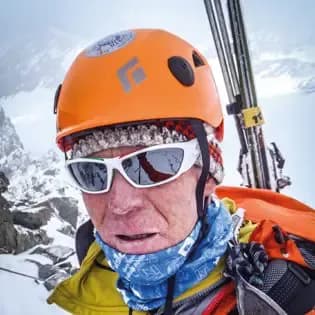
Gianni Dorigo

Gianni Dorigo

Mountain Guide UIAGM/IFMGA

“I have been going to the mountains since I was a boy and I practiced many sports, until I dedicated myself body and soul to the mountains, my great passion. I have been an Alpine Guide since 2009 and I immediately began to devote myself to this noble profession: the intention of being able to communicate my enthusiasm for mountaineering together with the necessary technical knowledge to others. I am lucky enough to visit so many beautiful places, which every time become a great discovery and adventure.” Gianni has been guiding for Sawback Alpine Adventures since 2021 in our Svalbard and Norway programs.

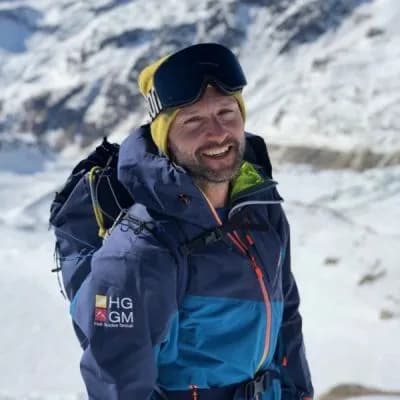
Daniele Guagliardo

Daniele Guagliardo

Mountain Guide UIAGM/IFMGA

Daniele was born in 1981 in Friuli Venezia Giulia, an Italian region of the North East, on the border with Austria and Slovenia. Passionate about mountains, nature and wildlife from an early age, he began to frequent his home mountains at the age of 8. Curiosity immediately becomes passion, long treks turn into peaks, climbs, ski tours, thus embracing the numerous disciplines related to the mountains, in the severe context of the Julian Alps. After graduating in Computer Science, he begins the path to become a Mountain Guide, which ends in 2016 with the role of UIAGMA / IFMGA / IVBV Mountain Guide. The high peaks of the Alps such as Mont Blanc, Monte Rosa, Matterhorn and Dolomites are now the playground for his work. At the moment he is President of the mountain guides of Friuli Venezia Giulia. “I am lucky enough to live my dream every day, attending the places I love most and teaching people to go to the mountains in every season and every mountaineering and ski mountaineering discipline. A possibility for which I am very grateful.” Daniele will join us at Seiland House in Northern Norway this April.

Gallery

Tour Image
Tour Image
Tour Image
Tour Image
Tour Image
Tour Image
Tour Image
Tour Image
Tour Image
Tour Image
Tour Image
Tour Image
Tour Image
Tour Image
Tour Image
Tour Image
Tour Image
Tour Image
Tour Image
Tour Image
Tour Image
Tour Image
Tour Image
Tour Image
Tour Image
Tour Image
Tour Image
Tour Image
Tour Image
Tour Image
Who is Sawback Alpine Adventures?

Sawback is owned and operated by Tom Wolfe, a professional mountain guide living in Canmore, Alberta. Sawback employs a number of other guides, all chosen for their expertise and experience in the mountains. See our Guides and Staff page.

Where are you located?

We are based in Canmore, Alberta. However, we run trips across Western Canada, and to many far flung and beautiful locations around the world. Some of our guides are based in Golden, British Columbia, along with other locations.

Can I do something that isn’t listed?

Absolutely. Please contact us to inquire about doing something that isn’t listed on our website. We are always keen to help organize custom trips. Apart from skiing, we can also organize and guide trips involving ice climbing, mountaineering, rock climbing, and hiking!

How much experience & fitness do I need?

It depends on the trip! We can accommodate total beginners on some, and there’s always the option of creating a custom trip. Many of our trips have more than 1 guide, which allows the group to be split to accommodate different levels. The difficulty of each trip is rated - see our Trip Rating page. Please feel free to contact us if you have any questions about your experience or fitness.

How are your guides trained?

All of our guides are certified by the ACMG (Association of Canadian Mountain Guides) and/or the IFMGA (International Federation of Mountain Guide Associations). These certifications represent the highest level of training in mountain / ski guiding and risk management in the world. Becoming fully certified as a mountain guide requires many years of experience skiing and climbing, before embarking in a rigorous training and exam process that takes between 4 to 8 years to complete.

Do participants have to sign a Waiver to participate?

Yes, all guests, or their parent or legal guardian for guests under 18, are required to review and agree to Sawback’s Release of Liability, Waiver of Claims, Assumption of Risk and Indemnity Agreement (the “Waiver”) as a condition of participating in any trip or activity with us and will apply to your participation in the trip. If the Waiver is not completed, the individual will not be permitted to participate. The Waiver will apply to all your activities with us for a period of 24 months from the date you sign it. By signing the Waiver, you will waive or give up certain legal rights, including the right to sue for negligence, breach of contract, or breach of the Occupiers Liability Act or claim compensation following an accident. The form of Waiver can be viewed and downloaded here. PLEASE READ THE WAIVER CAREFULLY PRIOR TO BOOKING ANY TRIP!

What Terms and Conditions Apply to my Booking?

Our Booking Terms & Conditions can be viewed here. When you book a trip, you are deemed to have accepted our Booking Terms & Conditions on behalf of yourself and all individuals who wish to participate in your booking. Our Booking Terms & Conditions contain important terms about the booking, including our payment and cancellation policies and waiver requirement. Please review these carefully before booking.

How safe are your trips?

Every trip in the mountains involves certain hazards and not all hazards can be mitigated or avoided. Our waiver outlines many of these. The safety of our guests is our absolute number one priority. Every day, the guide(s) on your trip will go through a formalized process to discuss and identify hazards, along with planning risk mitigation strategies. This process sets the stage for ongoing risk assessment through the day as new information is gathered. We strive to communicate this to our guests as much as feasible – a morning briefing about current conditions at a minimum. If you have any questions about safety at any point before or during your trip, please don’t hesitate to speak up!

Frequently asked questions

Didn't find an answer to your question?

Is there something you're uncertain about? Reach out to our welcoming team for assistance.

What Our Clients Say

Testimonials from customers who have already used our services.

Safety is a Forefront!

Tom guided our week at Burnie and provided the group with expert knowledge of the terrain and a superb week. Safety was always at the forefront of the decisions made and the group felt safe in his hands, along with his fellow guide for the week. Communication was excellent and professional. Would highly recommend and am looking forward to many future trips with Tom and Co.

client avatar
google

Tom Smith

You won’t regret it.....

Tom Wolfe and Svalbard, Norwegian Arctic on the Noorderlicht. I’ve done a few great trips with Tom over the years so when he emailed a year ago and asked if I wanted to go to the Arctic and ski from a steel hulled yacht I said yes without thinking... Good call. Svalbard was mind-boggling. I had expectations but it beat them. Getting into the zodiac everyday and skiing was amazing. Sea ice, glaciers, seals, walruses, beluga whales and polar bears. Huge huge glaciers, peaks as far as the eye can see. Just amazing scenery.

client avatar
google

Alan Johnson

Recommend without hesitation

I met Tom in April 2011 when we camped outside Fairy Meadow hut at the end of the N Selkirks traverse, he was guiding another group. Since meeting him I’ve done 3-4+ trips with him (Burnie, Sorceror, etc.) and found him to be one of the top guides I’ve had the pleasure to travel with over the last 20 years. I’m at that spot in life (almost 61) where I am getting slower and his daily trip planning does a good job accomodatiing the full range of abilities (even if some of still have lots of enthusiasm, but less stamina than in our 40"s) and still incorporates us as part of the group, not just some straggler OTB(off the back, an old cycling term). Safety conscious, good judgment and all around top notch & smart guy. Recommend without qualification.

client avatar
google

Jim Cossitt

Related tours

Inussuit Lodge tripView details about Inussuit Lodge trip

Inussuit Lodge

8 day(s)Greenland

Inussuit Lodge

Inussuit Lodge offers a superb base for a week of exploratory ski touring in the mountains and fjords of West Greenland. Set in a remote wilderness near Maniitsoq, the lodge gives us access to an enormous variety of largely untracked terrain, with alpine summits rising directly above the sea, broad glaciers, long valleys, and descents running almost to the water.

Each day we use local boats to travel through the fjords and reach the best skiing for the conditions, effectively turning the coastline into our trailhead. This mobility opens up a huge area and allows us to choose objectives according to weather, snow quality, and the ambitions of the group. Expect long, scenic ski tours, summit-to-sea descents, and the exploratory character that makes Greenland such an exceptional ski destination.

Inussuit Lodge itself is comfortable, secluded, and ideally positioned for a small group. Breakfast, packed lunches, and dinner are provided, leaving us free to focus each day on skiing and exploring one of the least developed mountain regions in the Arctic.

Seiland House tripView details about Seiland House trip

Seiland House

8 day(s)Norway

Seiland

Ski Touring in Northern Norway

Northern Norway is world-famous for its “Fjell til Fjord” skiing—peaks rising directly from the sea. Seiland House offers some of the best terrain in the region, set on a remote island north of 70° latitude in the Norwegian Sea. Despite its arctic location, access is simple: daily flights from Oslo to Alta followed by a short ferry ride bring you straight into this hidden gem.

If you’re looking for an exotic European destination with a reliable snowpack, Seiland delivers:

  • Remote arctic fjords and mountains bordering a national park
  • Exclusive access—escape the crowds of Lofoten and Lyngen
  • Superb hospitality with local cuisine, wood-fired hot tub, and sauna
  • Ski directly above the lodge or take a short boat ride across Altnesfjord or to nearby Stjernøya Island

Sea-to-Summit Adventures

Much of Seiland’s terrain is accessible only by boat. The highlight is Seilandstuva, the island’s highest peak, with sweeping views over Norway’s northernmost glaciers and unforgettable descents straight to the sea. Across the Stjernsund Strait, a 20-minute crossing brings us to Stjernøya (Sami: Stierdná), home to dramatic fjords and tours such as Rottenhallen, the island’s tallest peak.

A typical day begins from Seiland House’s dock by motorboat. Tours gain 800–1300 m of vertical (3–5 hours of ascent) and often descend via different routes, finishing in another fjord where the boat collects us for the return—true “sea-to-summit” skiing.

Culture and History

Unlike Svalbard, which has no indigenous history, Northern Norway has been home to both Norse settlers and the indigenous Sámi for thousands of years. Seiland itself sits at the crossroads of two Sámi traditions: reindeer herding and coastal fishing. The island still serves as summer pasture for reindeer, isolated from mainland predators such as wolverine and lynx.

The name Seiland is ancient, derived from Proto-Norse Sai-aujo (“sea-island”). In Norse times it transformed first to Sæ-ey, later shortened to Sei, with land (“island”) added afterwards. The Northern Sámi name Sievju likely reflects an old loan of this form.

Nearby Stjernøya also carries an ancient name. Its Sami form Stierdná means “star,” inspired by the deep fjords and long, thin peninsulas on the island’s north end that suggested star-like rays to Viking sailors.

Burnie Glacier Chalet tripView details about Burnie Glacier Chalet trip

Burnie Glacier Chalet

8, 1 day(s)Canada

Burnie, Smithers, British Columbia

Helicopter-Accessed Ski Touring Lodge | 12 Guests Per Week

Burnie Glacier Chalet is a small, helicopter-accessed ski touring lodge in the Howson Range of northern British Columbia, set in a glaciated basin with direct access to surrounding alpine terrain. Each week is limited to 12 guests.

Above the lodge, terrain rises directly into glaciated alpine, where single objectives of 1200-1500 m are common. The surrounding tenure sits within Tazdli Wyiez Bin / Burnie-Shea Provincial Park, ensuring long-term protection of the operating area.

Terrain and Snowpack

Burnie sits in one of the most concentrated ski touring zones in the Coast Mountains. The terrain ranges from glaciated alpine bowls and long fall-line descents to 800 m tree runs directly behind the lodge, ideal for storm skiing.

The maritime snowpack is deep and reliable, supporting consistent mid-winter powder skiing and stable spring conditions. Burnie stands out among ski touring lodges for its terrain and vertical potential, with objectives selected daily based on weather, stability, and the group’s pace.

Position Within Canadian Ski Lodges

Burnie is widely regarded as one of the strongest ski touring lodges in Canada, combining terrain quality, snow reliability, and logistical simplicity.

Despite its location in northern British Columbia, Burnie is straightforward to access. Guests fly to Smithers, where the helicopter base is located directly at the airport for a simple transfer to the lodge.

As John Baldwin notes in Exploring the Coast Mountains on Skis:

“A deluxe backcountry ski chalet offering unparalleled ski mountaineering in the spectacular Howson Range.”

Ownership and Operations

The chalet was established in 2001 by Christoph Dietzfelbinger and operated continuously for over two decades. It is now owned and operated by Tom Wolfe and Deborah Lantz of Sawback Alpine Adventures, with a continued focus on small groups, high-quality guiding, and consistent execution.

Here’s a recent post that talks about the transition, including an interview with Tom. Enjoy!

Sunrise Lodge tripView details about Sunrise Lodge trip

Sunrise Lodge

8 day(s)Canada

Golden, British Columbia

Close to Golden, British Columbia, nestled in the Esplanade Range just east of Rogers Pass is a string of perfectly situated ski chalets: Golden Alpine Holidays. Sunrise Lodge is one of the “original three” built by Alison Dakin and Brad Harrison back in the 1990s. Sunrise Lodge is located at the headwaters of Wisted Creek and offers stunning views of Rockies to the west and Purcells to the south. Sunrise is the southern gateway to the amazing Esplanade range, including Meadow, Vista and Sentry Lodges. Consensus among those who’ve spent time at all four Esplanade Range Huts though is that Sunrise is the best for midwinter skiing: best terrain, best for storm skiing, and best snowpack of the bunch!

Valhalla Mountain Lodge tripView details about Valhalla Mountain Lodge trip

Valhalla Mountain Lodge

8 day(s)Canada

West Kootenays

Tucked high on a granite shoulder of Mount Woden at roughly 6 900 ft / 2 100 m, Valhalla Mountain Lodge (VML) looks straight into the powder‑catching bowls of the central Selkirks, just north of Valhalla Provincial Park and about 70 km from Nelson, British Columbia. Guests rendezvous in the hamlet of Burton on the Arrow Lakes and load an A‑Star for a 12‑minute hop up to the lodge each Saturday, a schedule chosen to match the area’s notoriously tight weather windows. VML was one of the province’s first purpose‑built backcountry ski lodges. Construction began in the mid‑1980s after two tree‑planter‑turned‑ski‑bums—Brian “Bomber” Cross and Leo Jansma—secured a remote‑touring tenure and packed lumber in by helicopter and on foot. Both men remain equal partners and still rotate weeks as custodians, guides and unofficial storytellers.

Japan Hokkaido tripView details about Japan Hokkaido trip

Japan Hokkaido

11 day(s)Japan

Niseko/Furano

Japan has formed a legendary reputation for deep powder skiing in early winter. The saying “Don’t Leave Powder to Find Powder” is common in western Canada – why leave Canada when we have the best skiing in the world? Well, Japan is a strong contender, and when you add the incredible cultural experience to the mix it rises to the top of any serious skier’s bucket list.

In 2026 we are once again offering two Japan ski trips: JP26-1 starts and finishes at New Chitose airport and explores the iconic Niseko and Furano areas. JP26-2 starts in Yuzawa, a short train ride north of Tokyo, and finishes in Hakuba town. Take your pick — or, better yet, if you can’t decide between the two, join us for both for a 3-week JaPOW trip of a lifetime.

One of the side-effects of the strong popularity of skiing in Japan has been the erosion of the cultural experience. Hearing complaints of “I was skiing tracks with a bunch of Australians” I decided to seek the advice of Japan-born Whistler-based Jun Yanagisawa. I met Jun heli-skiing in northern BC and immediately admired his gracious Japanese manners, sense of humour, and powerful, elegant ski technique. Born and raised in Tokyo, Jun was an avid skier from childhood. In search of wilderness, Jun eventually immigrated to Whistler, British Columbia where he has worked for close to 30 years in the ski and tourism industry, moving between his native Japan and western Canada’s heli- and ski-touring.

I said to Jun, “Let’s do a Japan trip together, but let’s see some weird funky Japanese culture!” Jun said, “Leave it to me Tom-san!”

The result has been a series of trips that has pleased and delighted our guests. Please join us next season to experience it for yourself!

Japan Honshu tripView details about Japan Honshu trip

Japan Honshu

11 day(s)Japan

Niigata, Myoko, Hakuba

This is a grand tour of the best of the Japan Alps, a rugged alpine range north of Tokyo, legendary for its deep powder snow and made famous by snow monkeys and the 18th Olympic Winter Games in 1988.

Japan has formed a legendary reputation for deep powder skiing in early winter. The saying “Don’t Leave Powder to Find Powder” is common in western Canada – why leave Canada when we have the best skiing in the world? Well, Japan is a strong contender, and when you add the incredible cultural experience to the mix it rises to the top of any serious skier’s bucket list.

In 2027 we are once again offering two Japan ski trips:

Take your pick - or better yet, if you cannot decide between the two, join us for both for a three-week JaPOW trip of a lifetime.

One of the side-effects of the strong popularity of skiing in Japan has been the erosion of the cultural experience. Hearing complaints of “I was skiing tracks with a bunch of Australians,” I decided to seek the advice of Japan-born Whistler-based Jun Yanagisawa. I met Jun heli-skiing in northern BC and immediately admired his gracious Japanese manners, sense of humour, and powerful, elegant ski technique.

Born and raised in Tokyo, Jun was an avid skier from childhood. In search of wilderness, Jun eventually immigrated to Whistler, British Columbia where he has worked for close to 30 years in the ski and tourism industry, moving between his native Japan and western Canada’s heli- and ski-touring.

I said to Jun, “Let’s do a Japan trip together, but let’s see some weird funky Japanese culture!”

Jun said, “Leave it to me Tom-san!”

Since that whacky and inspiring first trip with Jun our Japan program has developed and refined year after year into a sampling of some of the best skiing Japan has to offer at authentic ryokans, offering a glimpse at a side of Japanese culture that is slowly fading.

Our friend and JaPOW Trip Coordinator Satoshi Kawano sums it up perfectly in about 20 seconds: deep powder skiing, hot onsens, incredible food, and the strangely wonderful world of Japanese convenience stores. Enjoy!

This blog post on Snow-Forecast highlights what I mean by that last paragraph. It shows why Japan trips are so special but also hints at the changes already underway. It also showcases one of the lodges we’ve enjoyed using over the years. Hopefully it doesn’t change - but I know it will.

Summer Burnie Glacier Chalet tripView details about Summer Burnie Glacier Chalet trip

Summer Burnie Glacier Chalet

6, 5 day(s)Canada

Burnie, Smithers, British Columbia

Burnie Glacier Chalet in the Summer!

Mountain summits, old growth forests, kaleidoscope colours of volcanic rock, turquoise blue lakes, sprawling glaciers, and thigh high wildflower meadows.

Where are we?

Burnie Glacier Chalet is a beautiful but simple backcountry lodge nestled on the edge of the remote Howson Range southwest of Smithers, British Columbia. It is in the Kwees House territory of the Wet’suwet’en.

Accessible by floatplanes in the summer (and helicopters in winter), the lodge is perched just above 1000 m in a U‑shaped alpine bowl ringed by 2500‑ to 2700‑metre glaciated peaks. The surrounding valley system was protected in 2008 as Tazdli Wyiez Bin / Burnie‑Shea Provincial Park, ensuring the operating area remains protected for generations to come.

What's happening?

Experience wilderness lodge living, catered nourishing meals, daily hiking, adventure tours not far from the lodge, music and art based programs, forest bathing too! Here's a sampler of this summer's programs (see Tour Plan tab above for more details / swipe right or left for mobile):

Sing and Sourdough with Pharis Romero and Shannon O'Donovan! Dates under Booking link and see Tour Plan tab for more details.

  • Click here to go to the Sing and Sourdough page!

Forest Bathing and Alpine Hiking (Shinrin-yoku! Nourishing Nature Rest and Recovery) with Ronna Schneberger (2027 dates to be decided);

  • See Tour Plan tab for more details.
  • Click here to go to the Forest Bathing page!

Plein Air! Both Informal, and Formal with Instruction options. Dates under booking link and see Tour Plan tab for more details

Adventure Tours hiking, rock climbing, glacier lake dipping, glacier travel, rest, recover, repeat! various dates - see booking link for multiple date options and Tour Plan tab for more details

Alpine Hiking - Mountain tops, traverses, old growth forests to alpine summits. Views for miles and miles. Back to the cozy chalet in the evening to share great food, make new friends, and recount the day's adventures. See booking link for multiple date options and Tour Plan tab for more details and contact us to book!

Fitness, yoga, and meditation retreats - contact us to book!

Music and art residencies - contact us to book!

Group/Family Lodge rental - contact us to book!

Sing and Sourdough tripView details about Sing and Sourdough trip

Sing and Sourdough

6 day(s)Canada

Burnie Glacier Chalet, Smithers, British Columbia

Sing and Sourdough at the Burnie Glacier Chalet

Do you like singing? Bread? Hiking?

Join us Sept 1-5 at the beautiful Burnie Glacier Chalet for a unique and very fun experience!

Two talented and creative forces joining up for one incredible Burnie program! Shannon O'Donovan and Pharis Romero are offering an entirely unique and creative bundling of baking and singing in our favourite backcountry setting!

Watch, learn, and enjoy a variety of sourdough delights with the wild backdrop of a backcountry setting with Chef Shannon. Then tune up your harmonies or simply find your voice with down to earth and multi-Juno decorated, local vocalist/musician Pharis Romero. And to top it off, travel the local trails by the cascading Burnie Glacier, surrounding peaks, wildflowers and turquoise lakes with an ACMG certified hiking guide.

What to expect:

A unique, intimate, and VERY FUN experience in a wilderness lodge setting - The beautiful Burnie Glacier Chalet. Take a break from the outside world and join us for inspiring and playful instruction for both your singing and your sourdough skills - at any stage in your development - based out of our cozy backcountry lodge. Comfy beds, beautiful views, catered nourishing meals, daily hiking, glacial lake dips, and a relaxing sauna, await you.

Sample itinerary of our program:

Day 1:

Sept 1 Take the extremely scenic float plane to Burnie Lake

  1. 8:30 am Meet at Telkwa Alpine Lakes Air for 9 am flight in to Burnie Lake
  2. 9:30 am Enjoy the lakefront/meander!
  3. 10:30 am Wander up to the lodge (gentle 4 km hike) and get settled into your rooms
  4. 12:00 am Lunchtime and lodge welcome
  5. 1:00 pm Singing with Pharis
  6. 3:00 pm Free-time
  7. 5:00 pm Appy and Sourdough chat with Shannon
  8. 6:30 pm Dinner
  9. 8:00 pm Freetime/Bedtime/Get to know each other

See Tour Plan tab above (mobiles swipe right/left on the Tab Bar above) for full sample itinerary

A Creative, Delicious, and Adventurous program!

We'll make music, we'll make bread! (other delights too), and we'll hike around and explore. Space is limited for this intimate retreat—grab your spot today!

More about Singing with Pharis:

Daily singing time will include instruction in some of the basics (breathing and resonance, as needed, when needed!) alongside ear training specifically for singers. We will do some deep dives into being a successful harmony singing chameleon, communicating the message of your song, and expanding your repertoire of easily remembered and shared songs. Master classes and individual instruction will also be available as time and group needs permit. And most important of all, we’ll just sing together!
More about Sourdough with Shannon:

Chef Shannon O'Donovan really elevates mountain baking. Her sourdough breads are crafted with love, skill, and carefully harnessed sourdough magic. She'll show us how she feeds, forms, and finishes her creations with ongoing and ample opportunities to enjoy the results!

More about Hiking with Deb:

Explore the beautiful trails and terrain surrounding Burnie Glacier Chalet. Gems near and farther afield will delight you. Mountain lakes, old growth forests, sprawling glaciers, lookouts and even a summit option or two.