
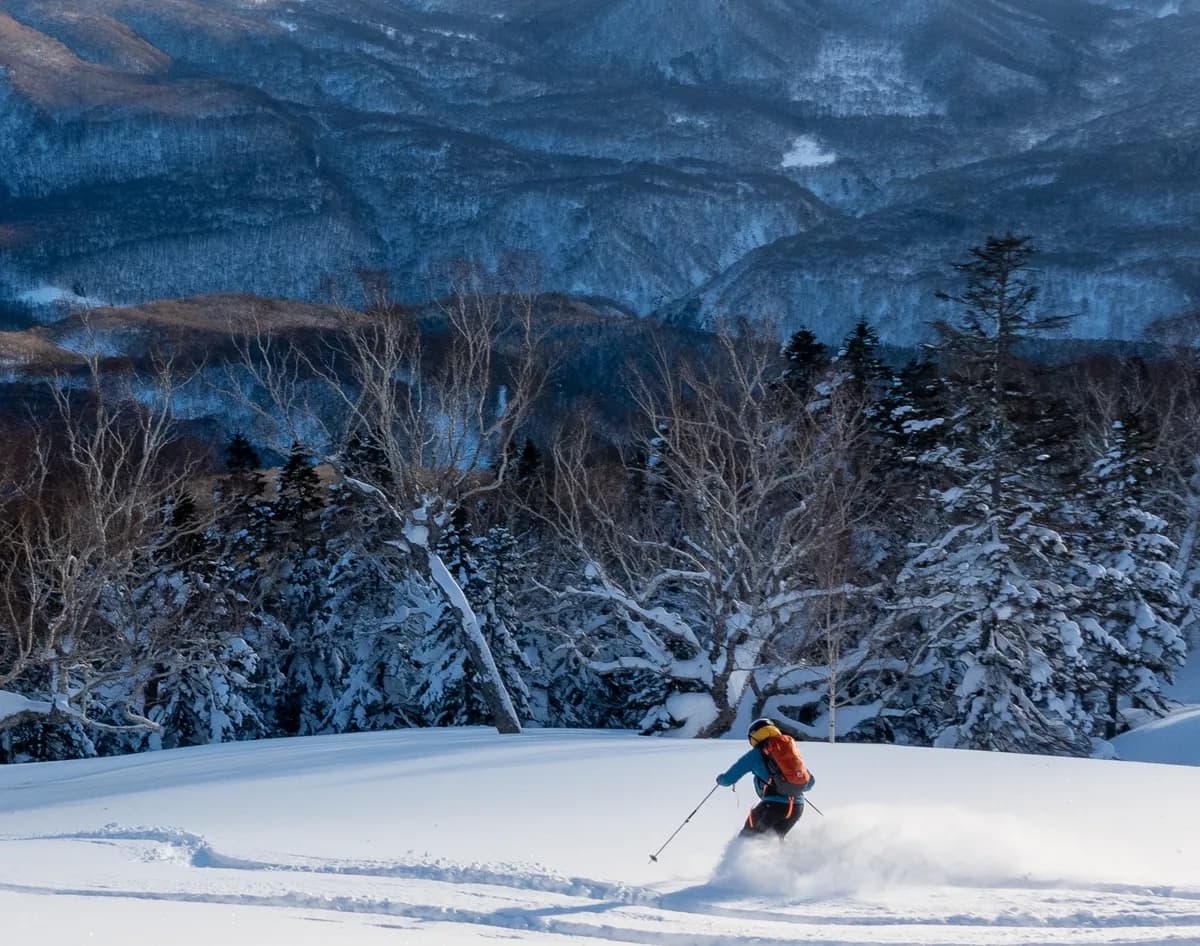
Backcountry Skiing Japan
Ski the Land of the Rising Sun: Epic powder days, traditional ryokan stays, steaming onsens, exquisite Japanese cuisine, all led by local experts and certified ACMG/IFMGA guides.
A ryokan is a traditional Japanese inn offering tatami-mat rooms, futon bedding, and communal hot-spring baths (onsen). Staying at a ryokan combines a day on the slopes with authentic Japanese hospitality, multi-course kaiseki dinners, and relaxing soaks in natural hot springs – a uniquely cultural après-ski experience.

JaPOW: Japan sits on a chain of islands off the coast of Asia between 20° and 45° latitude – a touch farther south than most of the continental U.S. Its northwest coast is rugged and mountainous, with peaks reaching just over 2,000 m in Hokkaido and more than 3,100 m on Honshu. This terrain is perfectly positioned for legendary snow: cold Siberian storms sweep across the Sea of Japan, gather moisture, and unleash enormous dumps of light, dry powder as they hit the mountains. The result is some of the deepest, most consistent ski conditions on the planet.
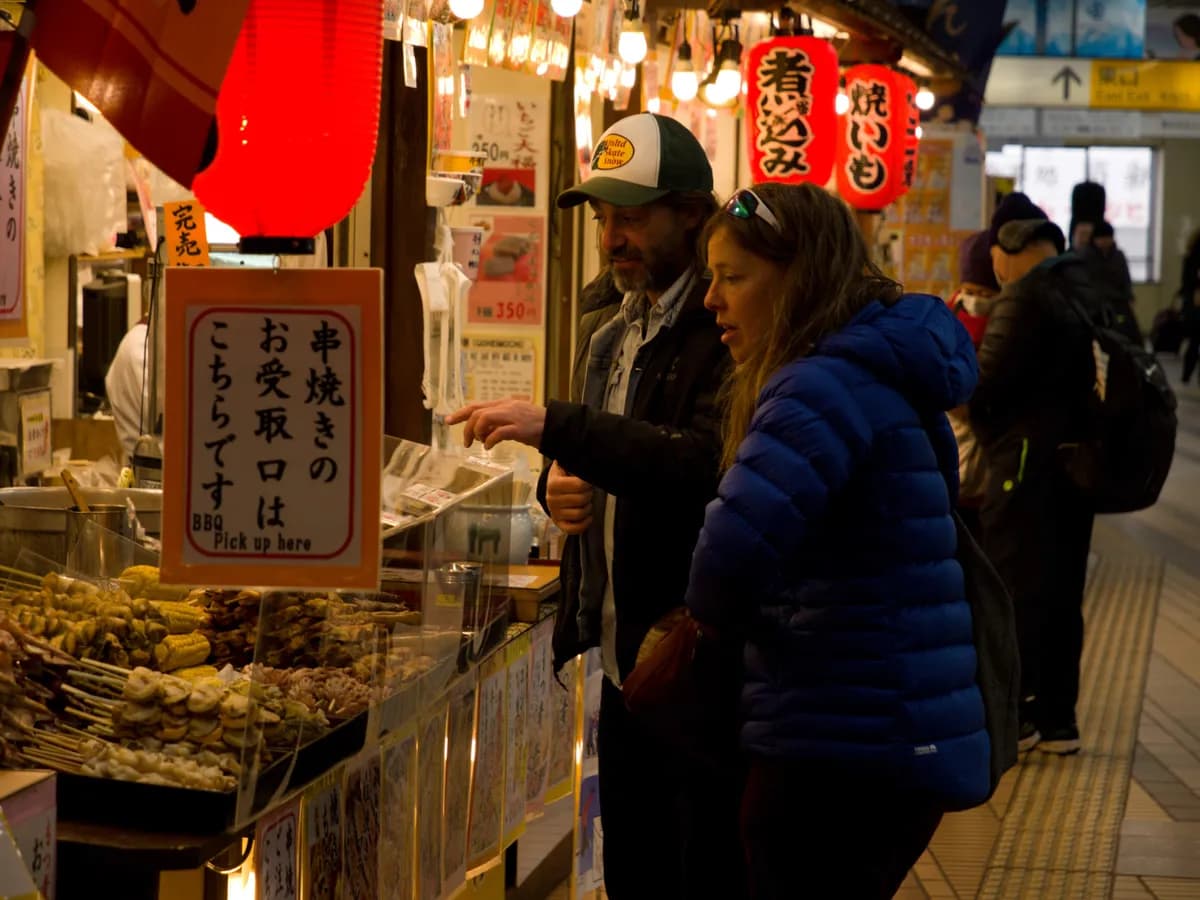
Japan is famous for its fresh, beautifully presented, and perfectly balanced cuisine. After skiing expect steaming bowls of ramen, delicate sushi and sashimi, sizzling yakitori skewers, and hearty hot pots shared around the table. Breakfasts at ryokan often include grilled fish, rice, miso soup, and pickles — a satisfying and uniquely Japanese start to the day. Even the convenience stores (konbini) offer surprisingly good snacks and bento boxes. Eating in Japan is as much a part of the trip as the skiing.
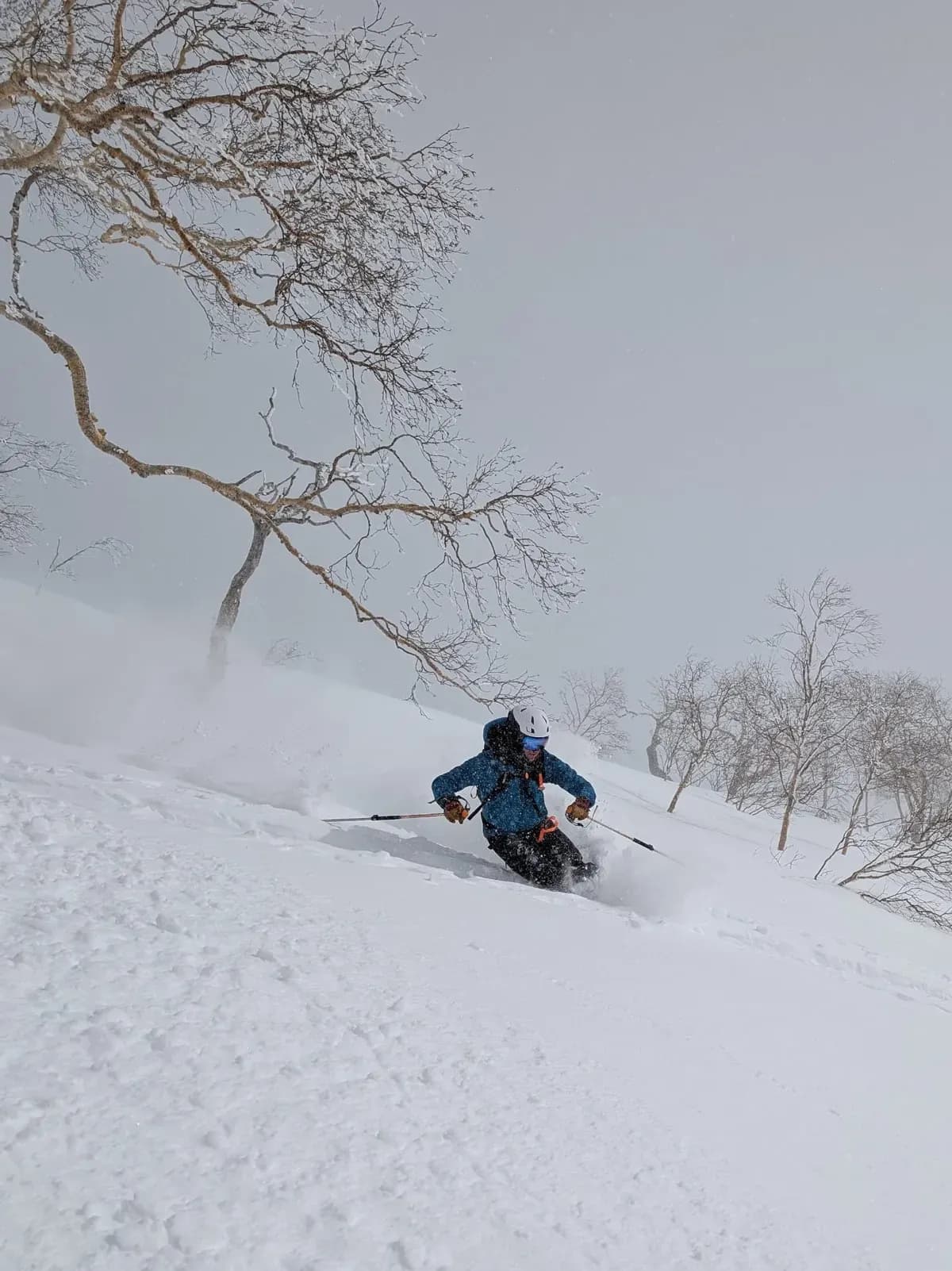
Sawback’s Backcountry Skiing Guides in Japan
Our certified guides bring expert knowledge and years of experience to every trip. They know where to find the deepest powder, plan safe and rewarding routes, and make your Japan backcountry skiing adventure unforgettable—whether you’re ski touring volcanoes, tackling alpine ridges, or exploring remote valleys.
What Our Clients Say
Feedback from clients who have already used the services of individual tours.


Should I Spend Some Time in Japan Before or After My Ski Trip?
Absolutely – it’s one of the best parts of a Japan ski trip. A few days in Tokyo lets you experience a world-class city with vibrant markets, serene temples and gardens, and some of the best restaurants on earth. Sapporo in winter is magical: snow sculptures, steaming ramen alleys, sake bars, and cozy izakayas make it the perfect après-ski city. And if you’re in the mood for something completely different, hop a cheap flight to Okinawa and enjoy a subtropical island getaway – think Hawaii, but quieter and blissfully uncrowded in January and February.
Can I rent ski gear in Japan?
The short answer is yes. Japan is a ski country and there’s plenty of rentals available. But be aware that renting gear like boots is not advised, and in general the selection is sparse and not optimized for skiing uphill. At a minimum we recommend you bring along your own boots, or boots that you’ve rented or used before.
What’s the Best Powder Day You’ve Ever Had in Japan?
Happo One – with a metre and a half of perfect, blower powder. When it dumps that much, hiking uphill is nearly impossible and avalanche hazard goes sky-high, so we head straight for the lifts. Happo One is one of the best resorts when the snow faucet is wide open. It was so deep that even riding the chairlifts was entertaining – every now and then you’d spot a ski or an arm flailing up through the snow as someone tried to dig themselves out. The turns were so bottomless we had to hunt for the steepest lines and just point the skis straight down.
What’s the worst powder day you’ve ever had in Japan?
Easy – Tenjindaira the day after it rained. The rain crust had frozen solid overnight, so Plan B was to climb Mt. Tanigawadake instead. Despite its reputation as “the world’s most dangerous mountain” (mostly from summer hikers getting caught in storms on exposed routes), our day was brilliant: blue skies, huge views – until the last 100 metres, which turned into a full-on whiteout! Apres ski at the base was big steaming bowls of Ramen. Not bad for Plan B!
Do We Have to Sleep on Futons the Whole Trip?
Most of the ryokan and hotels we use have Western-style beds, so no, not the whole trip. But before you dismiss futons, give them a try! Traditional ryokan rooms have deep closets full of futons, and if you like a softer sleep you can stack several for extra comfort. If you strongly prefer a Western bed, let us know – we can almost always arrange accommodations with the style you’re used to.
I have pretty specific food restrictions. Will the restaurants in Japan be attentive to my needs?
Yes, but it pays to be prepared. Many Japanese restaurants are small, family-run operations and may not speak much English, so it’s helpful to carry a card explaining your dietary needs in Japanese (we can help you prepare one). Larger hotels, ryokan, and resort restaurants are usually very accommodating if you give them advance notice. Japan’s food culture is detail-oriented, and when staff understand your requirements, they take them seriously.
Frequently Asked Questions
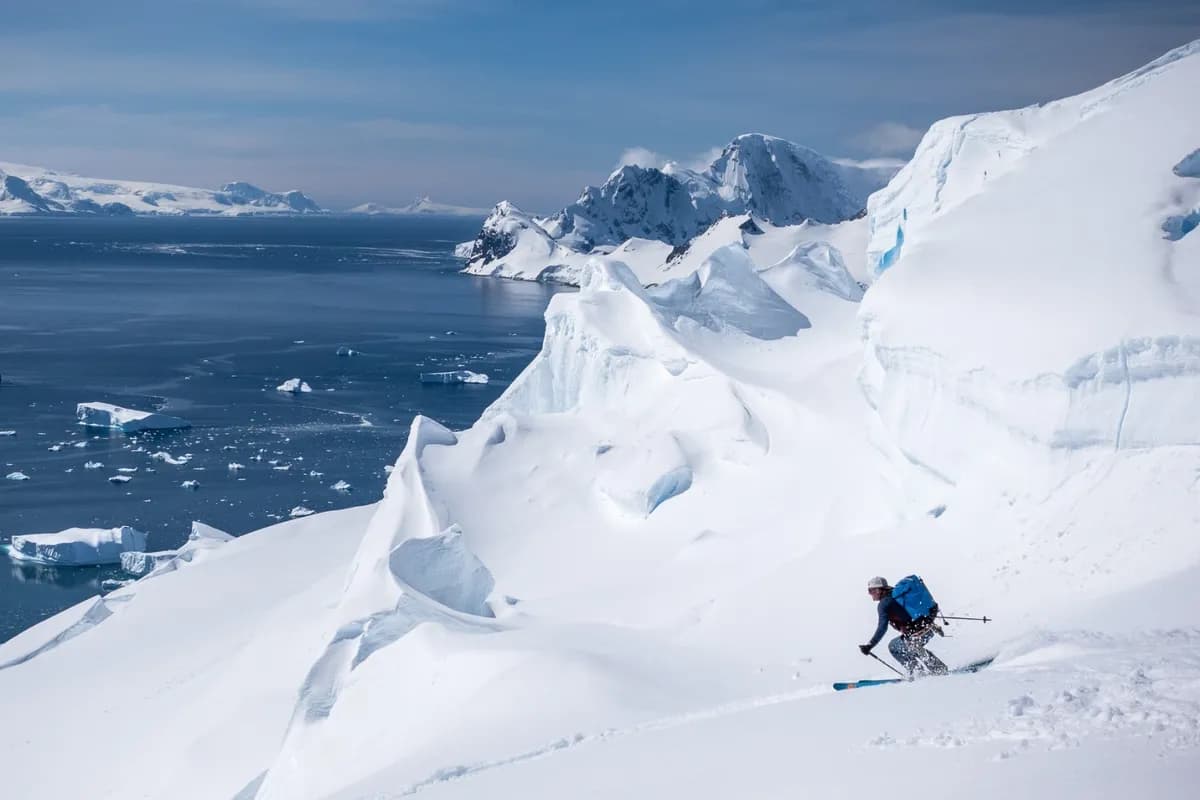
Ready to start your adventure?
Fill out the form below, and we’ll get in touch to help.